
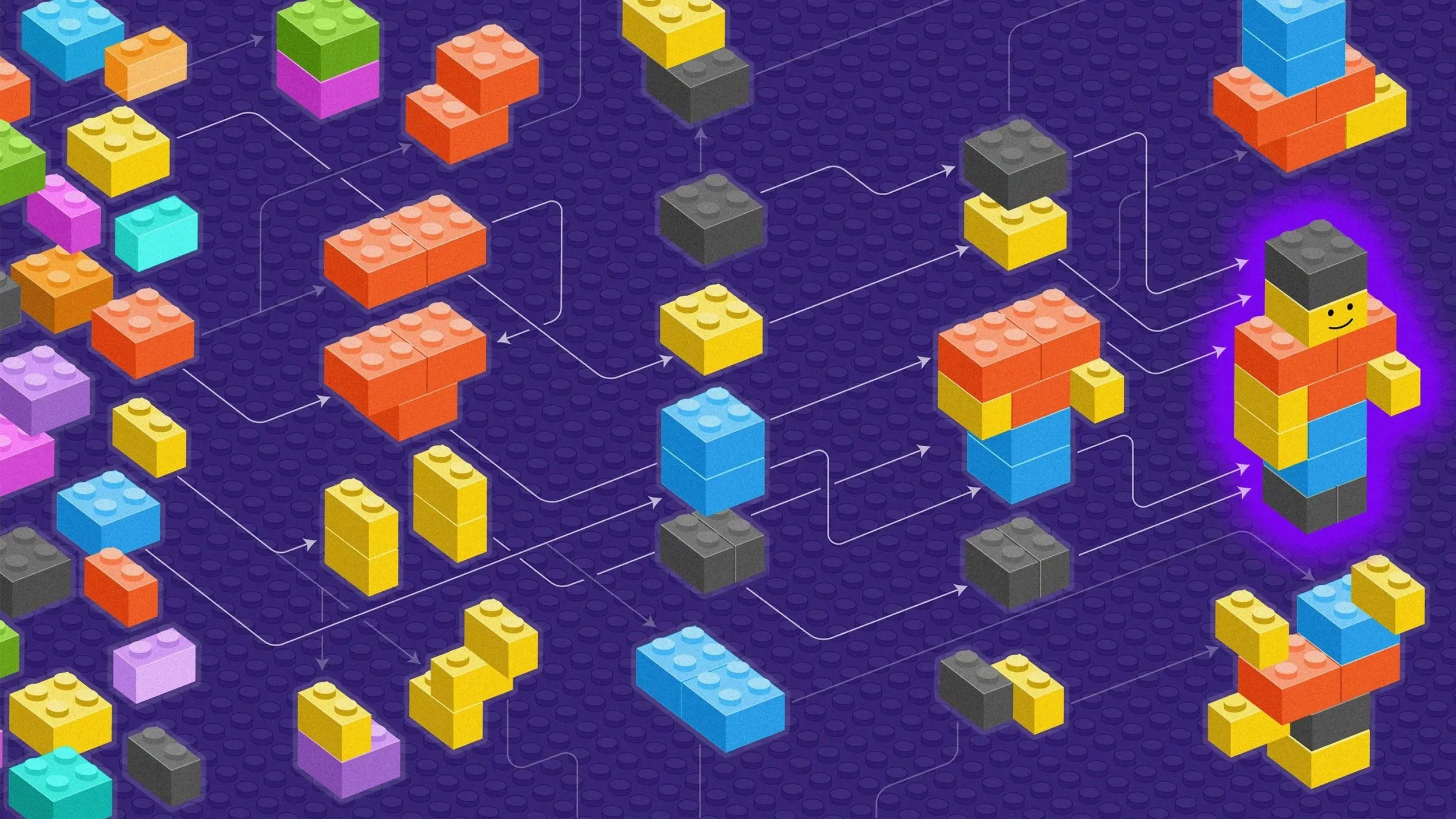
Repost: Philip Ball, "A New Idea for How to Assemble Life"
“assembly theory provides a consistent and mathematically precise account of the apparent historical contingency of how things get made — why, for example, you can’t develop rockets until you first have multicellular life, then humans, and then civilization and science. There is a particular order in which objects can appear.”
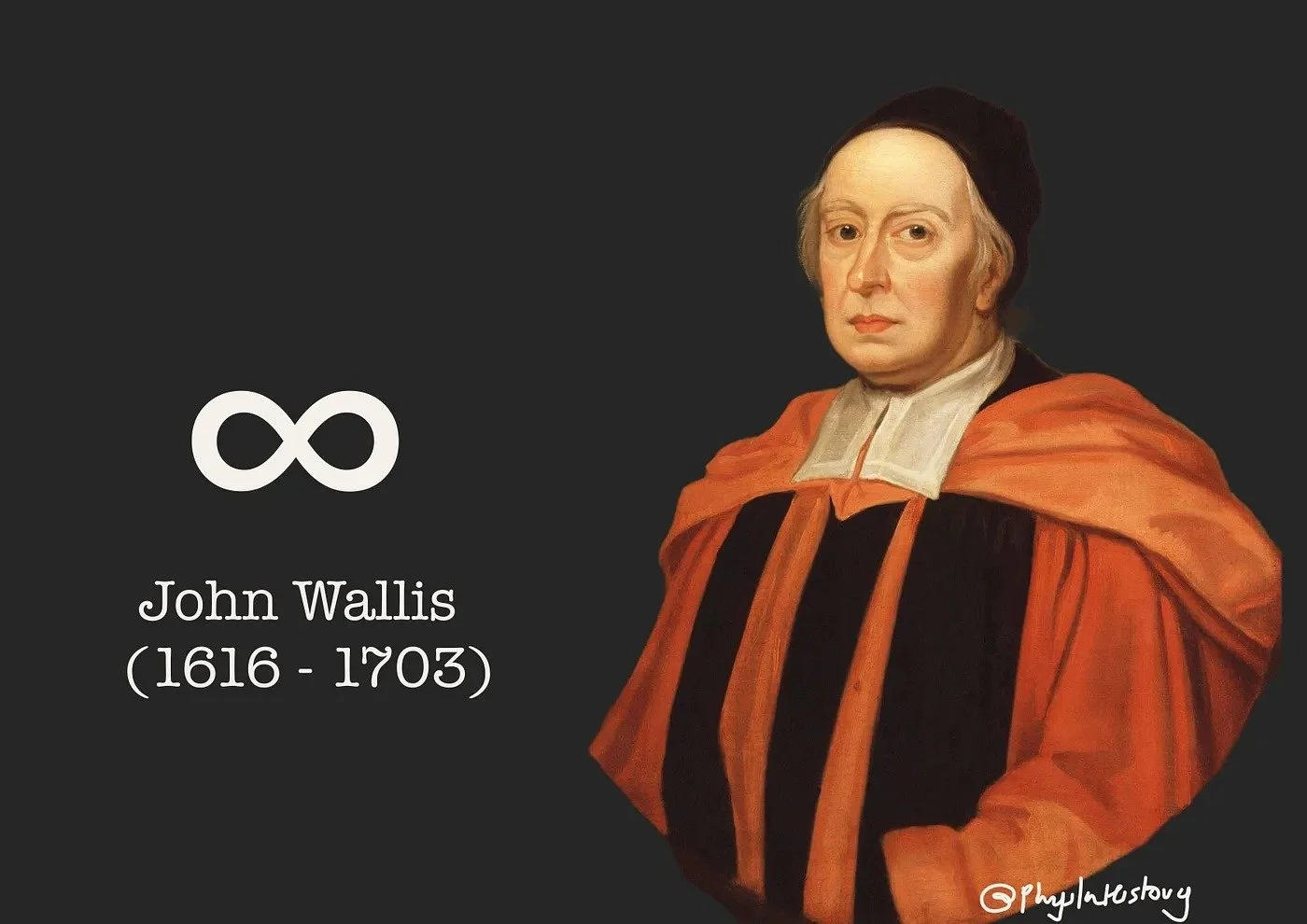
Repost: Sunny Labh, "Tracing the Origins of Mathematical Symbols: =, +, -, ×, ÷, √, ∞, π, Σ, ∫, f(x)"
It was in 1557 when the Welsh mathematician Robert Recorde who introduced the equal sign. In “The Whetstone of Witte,” Recorde explainedhis choice of two parallel lines to represent equality, as “nothing could be more equal.” The symbol has since become universally recognized.
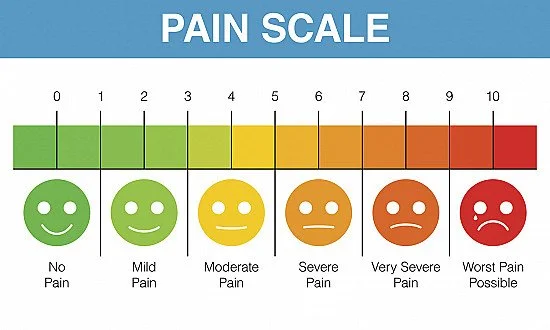
Repost: Radimentary, "Pain is not the unit of Effort"
Oftentimes the defining difference between the protagonist and the antagonist is that the antagonist did not have enough pain tolerance and allowed the (unbearable physical) suffering in his life to drive him mad.

Repost: Neia Balao, "Woman sneaks into Columbia University’s surf-and-turf event, reflects on institution’s ‘hypocrisy’"
Brenna Lip (@brennalip), a New York City-based content creator, posted a TikTok in which she admits to attending a surf-and-turf brunch at Columbia University despite not being a student herself. What started off as a harmless ruse, however, soon turned into an eye-opening look into “the hypocrisy of this whole place.”

Repost: Selena Simmons-Duffin, "'Live free and die?' The sad state of U.S. life expectancy"
"Everybody has a pet thing they worry about and say, 'it's oral health' or 'it's suicides' – everyone has something that they're legitimately interested in and want to see more attention to," says John Haaga, who was the director of the Division of Behavioral and Social Research at the National Institute on Aging at NIH, before he retired. "The great value of an exercise like this one was to step back and say, 'OK, all of these things are going on, but which of them best account for these long-term population level trends that we're seeing?' "
Repost: Anders Corr, "China’s Genocide in Tibet"

Repost: Slate Star Codex (Scott Alexander), "Black People Less Likely"
The eight points above add up to a likelihood that black people will probably be underrepresented in a lot of weird subculturey nonconformist things. This is not a firm law – black people will be overrepresented in a few weird subculturey nonconformist things that are an especially good fit for their culture – but overall I think the rule holds. And that’s a big problem.
Repost: William Brooks, "Does ‘the West’ Still Exist?"
On a more nitpicky, “who cares?’ level, the so-called West is now associated with New Zealand, Japan, Israel and other countries that are East on a traditional, Euro/US-centric map. This West/East division perpetuates that these maps are more accurate than others. West is a cardinal…

Repost: Eric Schmidt, "Why Technology Will Define the Future of Geopolitics"
If necessity is the mother of invention, war is the midwife of innovation. Speaking to Ukrainians on a visit to Kyiv in the fall of 2022, I heard from many that the first months of the war were the most productive of their lives. The United States’ last truly global war—World War II—led to the widespread adoption of penicillin, a revolution in nuclear technology, and a breakthrough in computer science. Now, the United States must innovate in peacetime, faster than ever before. By failing to do so, it is eroding its ability to deter—and, if necessary, to fight and win—the next war.