1930s-1945 Movies Depict “Free Palestine”
Why I’m Reposting
Today, “Free Palestine” has no clear meaning. It usually means “Free Publicity,” a thing people blurt out for attention. Depending on who you ask, someone may insist it is about safety for Arab refugees, despite the fact that refugee camps exist in sovereign Palestinian areas. Others act like it’s about some sorta socialist-communist oasis, despite that Arab leaders openly promise strict sharia law, and there is no semblance of wealth distribution between the billionaire leaders and their holy war pawns. Jews tend to hear it as “Free Palestine… from Jews,” for obvious reasons: laws restricting Jews from buying property, punishment of Arabs accused of collaboration, related slogans about throwing Jews into the sea.
Originally, “Palestine” was a term imposed by foreign rulers onto the land of Israel, Judea, and Samaria. Its exact intent is debated. Most scholars argue it was meant to humiliate Jews by detaching them from their land. Others tie it to the Philistines, a long-disappeared people. Eventually it referred to the larger English controlled Levant region, including parts of present day Syria, Lebanon and Jordan. “Free Palestine” in its earlier form was compatible with Zionist aspirations long before it was appropriated by anti-Zionists and Jew-haters alike. “Free Palestine” was a cry for Jewish freedom.
Go back to films from the 1930s and 1940s and this becomes impossible to deny, inconvenient as that may be for today’s “Free Publicity” movement. In the films below, “Palestine” is used simply as the name of the British Mandate territory, and the hope attached to it is Jewish rebuilding, Jewish refuge, Jewish labor, and Jewish statehood.
This distinction—original slogan vs hacky new slogan—is critical to understanding the conflict.
The Films
The following five films show what many Jewish and Western filmmakers chose to center in that era: the rebuilding of Jewish collective life in the Levant before and after the greatest genocide of the 20th century.
This Is the Land (1935): Available here: YouTube
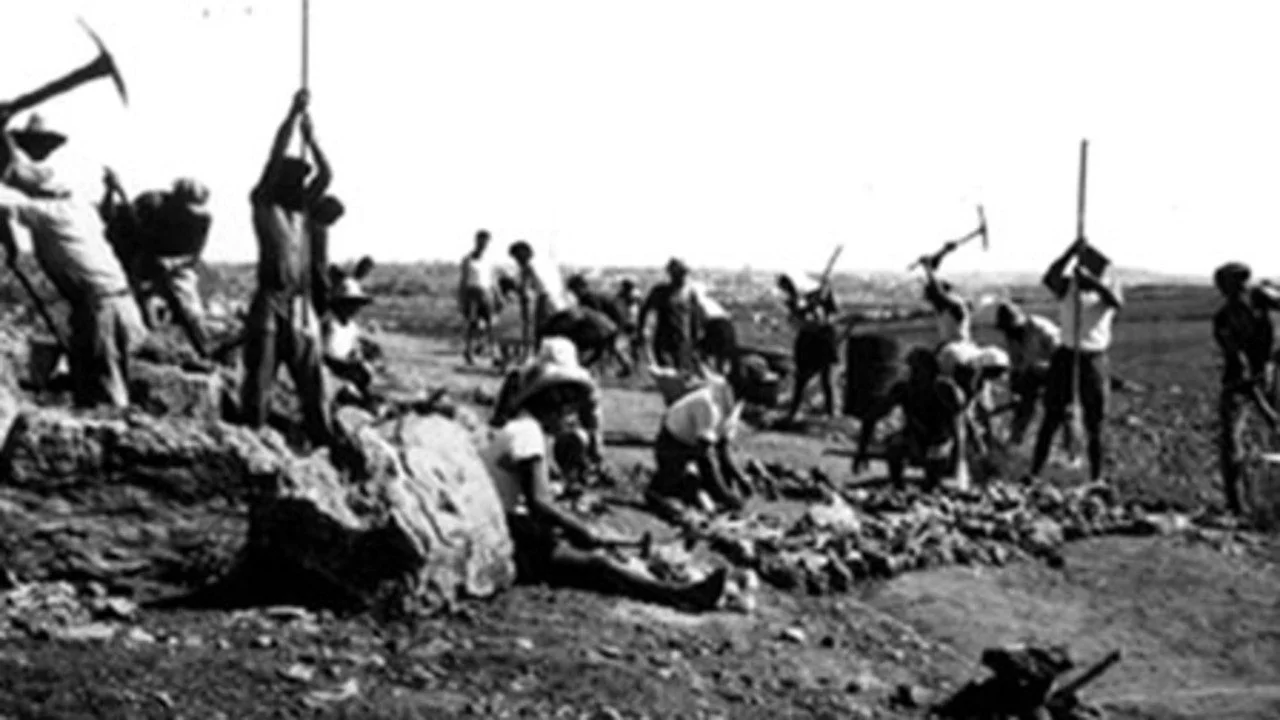
The first Hebrew talkie is part history, part nation-building trailer. Through archival footage, documentary scenes, and dramatization, it shows Jews returning, building, farming, organizing, and reviving a homeland. Watch labor become identity, and identity become rebirth.
The Land of Promise (1935): Available here: YouTube
This nearly hundred-year-old film was commissioned as part of a Zionist campaign, and it plays like an unapologetic showcase of Jewish revival. Tel Aviv, Jerusalem, agriculture, industry, immigration, and a growing Hebrew society all move across the screen. The promise is clear: not just life in Palestine, but a future for Arabs and Jews in it.
The Palestine Problem from The March of Time (1945): Available here: BFI
Fresh out of the ashes of Europe, this film wastes no time getting to the point. Concentration camp survivors need somewhere to go, and Palestine is presented not as a slogan, but as refuge. Jewish settlement, development, and survival are not framed as the problem here. They are framed as the answer.
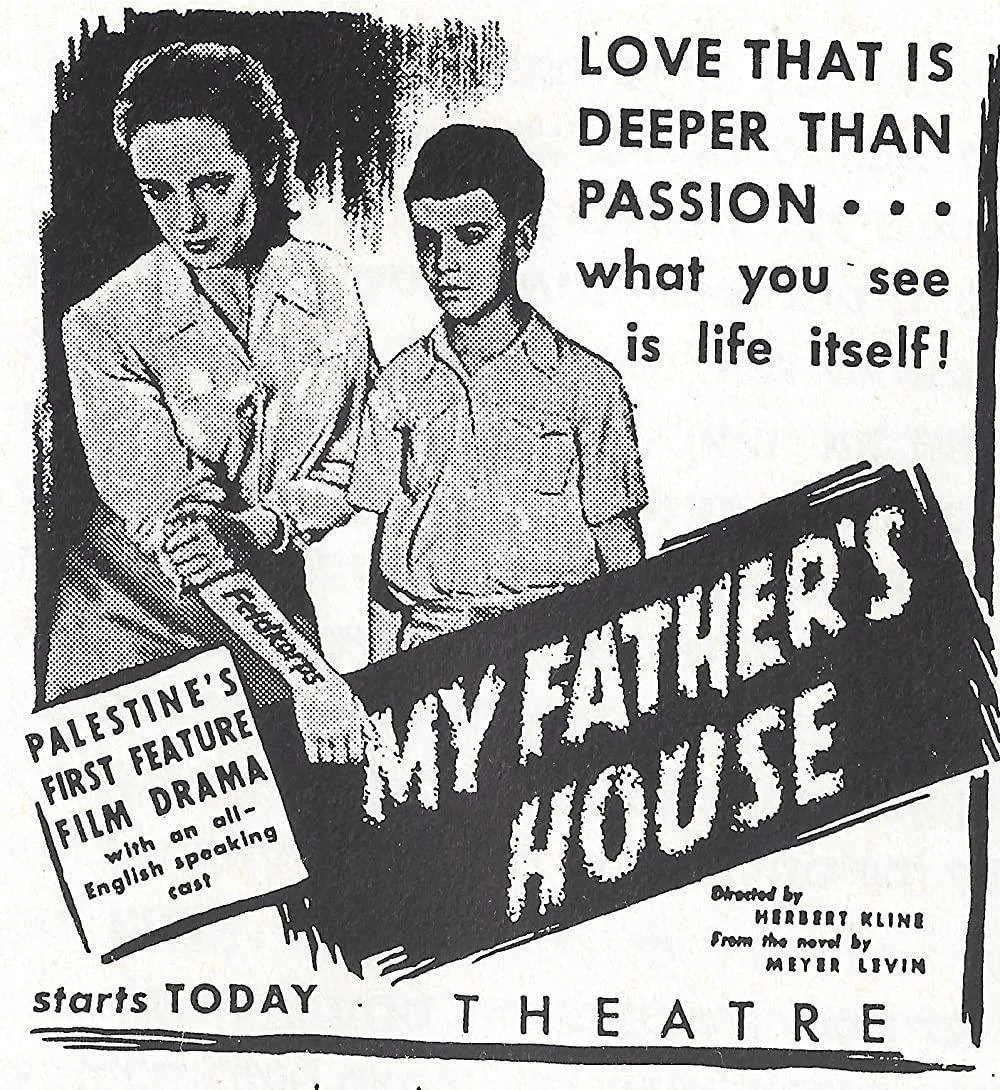
My Father’s House (1947): Described here: Jerusalem Cinematheque / Israel Film Archive
A young Holocaust survivor arrives in Palestine searching for his father, and for something even bigger: the possibility of life continuing at all. Personal grief meets national rebirth in a story that makes painfully clear what Palestine meant to shattered survivors. Not branding. Not posturing. A place where the living might begin again.
The Illegals (1947-1948): Described here: Yad Vashem
The title alone should embarrass half the modern commentariat. Jews who survived extermination are now “illegals” for trying to reach Palestine. Shot in 1947 and 1948, the film follows displaced persons and survivors pushing toward the one destination that might finally offer safety, dignity, and a national home.
Thoughts?
Again: in each of these films, Palestine is presented as a Levantine region, not a distinct state. “Free Palestine” was tied to Jewish freedom, Jewish survival, and coexistence in a world deeply hostile to Jews. It was a land in which Jews were trying to rebuild their lives and future, a land for Jews and not just for Jews. The records prove it.
The broader history around these films matters. After WWII, displaced Jews remained trapped in camps while trying to find a way home, aka to Israel. These films are not making a cultural argument. They make a life-or-death one.
Each film reveals a pattern that modern slogan history tries to bury. In the 1930s, Palestine appears onscreen as the region in which Jews are reviving Hebrew life, building settlements, and trying to secure a future. In the 1940s, especially in the immediate aftermath of the Holocaust, Palestine appears as the region where the remnants of European Jewry hope to survive, immigrate, and become a people with sovereignty rather than permanent refugees.
That is what makes the modern Palestinian rewriting not just dishonest, but shameless.