Use It or Lose It… or Plan When To Use It
Articles and two reposts about when to defer enjoyment
Shoes
Mitch: Cam, is it... is it possible that we're actually enjoying ourselves, and that Max was right? Maybe we do defer enjoyment. All those unspent frequent flyer miles. The boots that I waited so long to wear that they're no longer in style. The-the-the surfboards that we've never used because it just “had to be the perfect beach day.”Mitch: What are you doing?Cam: Mitchell... I’m lighting it.Mitch: No!Cam: I’m lighting it!Mitch: No, that is our monogrammed wedding candle, and we’re supposed to save it.Mitch: For what, Cam?Cam: I don’t know!Mitch: You don’t know.Cam: I don’t.Mitch: You don’t know.Cam: Oh... look at it.Cam: Smells like eternal love.The exchange above comes from an episode of Modern Family where Mitch and Cam host a houseguest who criticizes them for constantly “deferring enjoyment.” He points out all the things people save for the “perfect moment” that either never comes, or comes far too late: expensive wine, candles, airline miles, fancy clothes and surfboards for some reason.
Most people are not hoarding Fabergé eggs and caviar, but they are saving candles, perfume, shoes, maybe even a notebook for a journal or project that will never come. It’s hoarding, with an excuse. And as someone who comes back from vacation with chocolate, then waits so long to eat it that it expires, I get it.
Spoiler: Mitch and Cam wound up torn by the end of the episode, and insist some things should be saved. There is genuine joy in anticipation and preservation itself. I’ll come back to that in the outro.
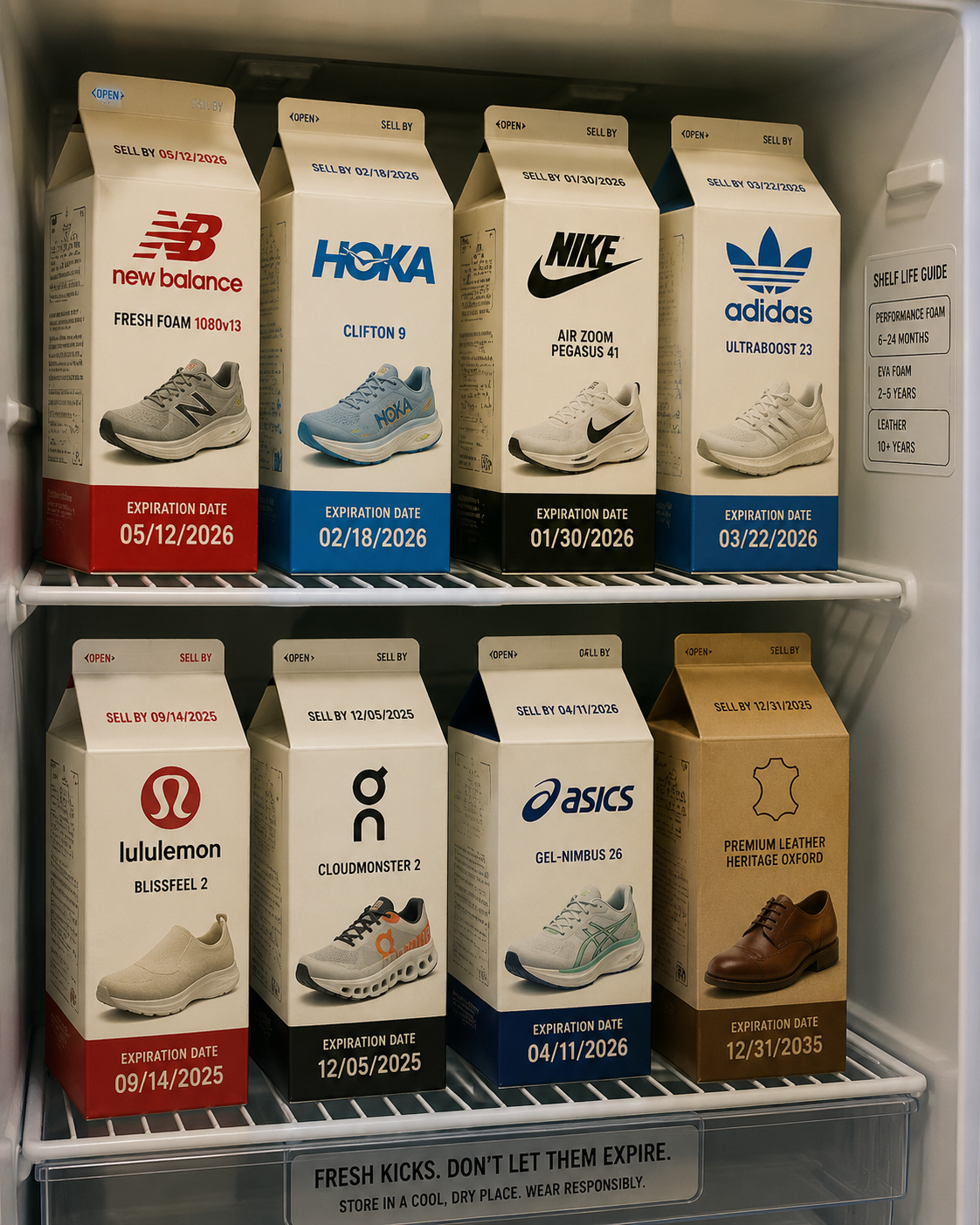
I recently bought a pair of white shoes, despite receiving the correct feedback that white shoes, especially paired with white socks, are not for slobs like myself. They stain easily. I bought them as my “big boy” act, proving either that I’m an adult who can buy nice things or that I’m a child with impulse control issues. Either way, I’ve been wearing them (and scrubbing them once a week with Pink Miracle Shoe Cleaner) rather than throwing them under my bed for some hypothetical event that calls for clean white sneakers. I recently got reminded why this is the right move:
Shoes go bad. So unless you have an upcoming event you bought them for, it’s time to wear your fancy kicks.
Sneaker materials degrade over time even if untouched. Soles harden, glue weakens, foam crumbles. I know, you hear about sneakerheads buying ancient Jordans, Yeezys, Korn Adidas or whatever. But these jabronis aren’t wearing them. If they did wear them, there’s a decent chance the sole would disintegrate after one step.
So, yeah, I now regularly scrub a pair of white sneakers as if it can preserve the illusion that I have my life together. And, yeah, it’s mostly men complimenting them, just like my gym gains that women also don’t comment on. I’m OK with it.
More on that after this repost. Read “TikTok’s Latest Viral Trend Restates the Obvious: Wear Your Shoes!“ below or here: https://www.highsnobiety.com/p/sneaker-soles-crumbling-trend/
Note: Here’s another post I didn’t bother to copy/paste, but you might find interesting. GQ covers how to restore shoes in “Your Sneakers Deserve a Second Life”: https://www.gq.com/story/goods-and-services-revive-dead-sneakers
Getty Images / Edward Berthelot
TikTok’s Latest Viral Trend Restates the Obvious: Wear Your Shoes!
Fabian Gorsler; Aug 11, 2021;
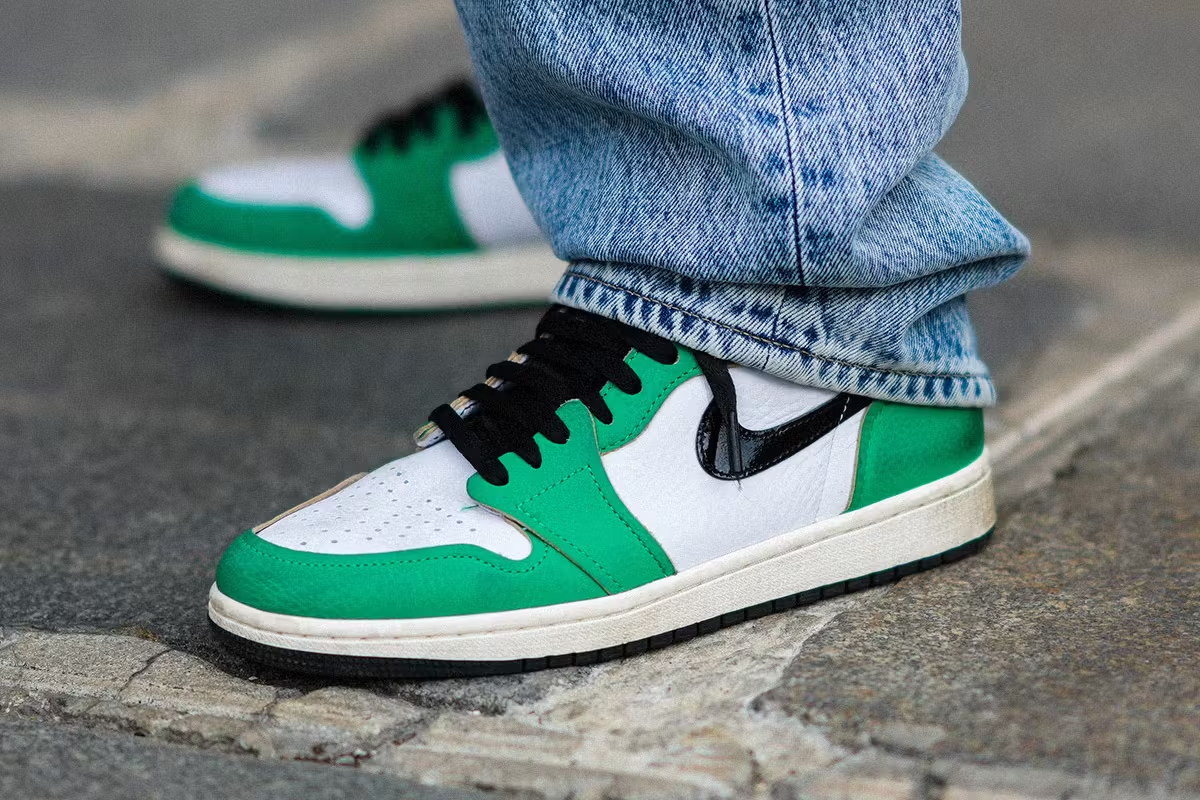
Wear your sneakers. Rock them, don’t stock them. Shoes are made to be worn. We’ve all heard those words before, hell, we’ve probably even said them ourselves.
The advice rings true, especially today when hype dominates sneaker culture and there are more people than ever buying sneakers with the sole intention of flipping them. Currently, videos of crumbling sneaker soles are making the rounds on TikTok and Instagram. People are showing off their deadstock ’90s and ’00s kicks, the soles of which have turned to mush and can be squished by merely running your finger across what was once the foundation of the shoe.
[Original article had an ad displaying crumbling shoes]
Reactions to the videos have varied, with some people cringing at the fact that people are purposefully destroying their shoes to make content. I’d argue that they’re missing the point.
Others are using it as yet another rallying cry to state the obvious: shoes don’t last forever and, if you don’t wear them, you’re pretty much wasting their existence by relegating them to a display item.
Stunting — or flexing — on people with the shoes and clothes you wear is part and parcel of sneaker and streetwear culture. You want to show off what you’ve got, and that by no means has to be a bad thing. But the viral videos remind us to do it IRL and not via Instagram posts of a pristine, unworn sneaker wall. Let’s be real, how many people are really coming over to your place to look at your shoes? Why else were sneaker meet-ups, conventions, and fashion forum threads such a big part of the culture if not to encourage people to partake in wearing and flexing their sneakers?
You’ve done the hard part and secured a limited and hyped release. Congratulations. Now do the easy part and wear them, so other people can enjoy your sneakers too — before it’s too late. This isn’t limited to just old sneakers. that are in danger of crumbling, by the way. Sneakerheads cringe and throw tantrums when they see someone wearing a pair of freshly-released hyped sneakers or when a toebox gets creased (just check out the comments under Peggy Gou’s post below for proof). People are actually upset that someone else is enjoying their shoes. Sounds weird when you frame it like that, right?
[Original post had another IG link I don’t care to repost, especially cause Peggy Gou is a blatant antisemite]
Some sneakers hold up better than others. Nike Air Jordan 1s from 1985, for example, can sometimes still look deadstock. This is down to the material used to make the soles and uppers of the sneaker. That’s why you’re more likely to see a pair of original Air Max 1s or Nike Air Jordan 3s or 4s crumbling at the slightest touch, while a well-kept Air Jordan 1 could still be worn (sparingly) today. In short: different materials have different service lives.
[Original post had a TikTok of crumbling shoes]
But wearing your most prized possession can actually increase the service life of the shoe, believe it or not. If you keep a pair of sneakers deadstock in their box for too long, the glue will dry up and the aging process of the shoe actually accelerates when compared to a shoe that has been worn every once in a while. Note that your shoes are not built to last forever, they will crumble regardless if you wear them or not, so why not actually use them for what they were designed for? In the end, the joke will be on you when your soles are crumbling, and you never got to wear them.
It’s almost comical that it has to be stated so blatantly again, but the current climate mixed with the viral videos makes for the perfect opportunity. Wear your sneakers, people, it’s not that hard!
[Original post links to shoes that cost $500-2000]
Want to keep browsing? Head to the Highsnobiety Shop for more products that we love. Highsnobiety has affiliate marketing partnerships, which means we may receive a commission from your purchase.
Based on a true candle an ex gave, so my partner hated seeing every day
Degradation
On a recent episode of Your Mom's House, Christina Pazsitzky mentioned her mother leaving jewelry hidden away in the back of a closet. It reminded me of the bizarre cycle where items auctioned for hundreds of thousands of dollars disappear into vaults, safes, and drawers instead of being enjoyed, until they’re auctioned again. Jewelry is admittedly a more complicated category than shoes. Theft, scratches, damage, and loss are all legitimate concerns, and they’re more commonly bought as an asset to resell. There is a rational reason not to wear a diamond necklace to Costco.
But there is also a sadness to beautiful objects never being seen at all because people are waiting for a special enough occasion to justify existing alongside them. And then never get that special occasion.
Think about sentimental jewelry. Sentimental should imply someone used to wear it, not keep it locked away.
Shoes and jewelry are just the beginning:
Items, including makeup, expire. Your fancy ingredients and foods will rot if you don’t use them.
It’s OK to eat that chocolate you brought from a vacation a week or month after returning. Most people just dump it on their coworkers as soon as they get back.
Vacation days, airline miles and coupons expire.
Do you really want to be that Karen/Ken begging a store to use your expired coupon because you couldn’t use it in the window hidden in super tiny letters at the bottom? Get a grip!
Batteries corrode. Meaning your old electronics probably don’t work.
Some poor kid could be appreciating that half broken laptop you have laying around.
Clothes go out of style or stop fitting.
Do you really need a ton of fancy bottles of liquor, as if you’re a bar?
Just go to the freakin bar. You know you hate having guests over.
How many soaps and toothpastes do you need crowding a drawer before you start to throw out the older ones?
Toothpaste sorta expires, as I wrote about recently. You don’t need to show off what you stole from hotels.
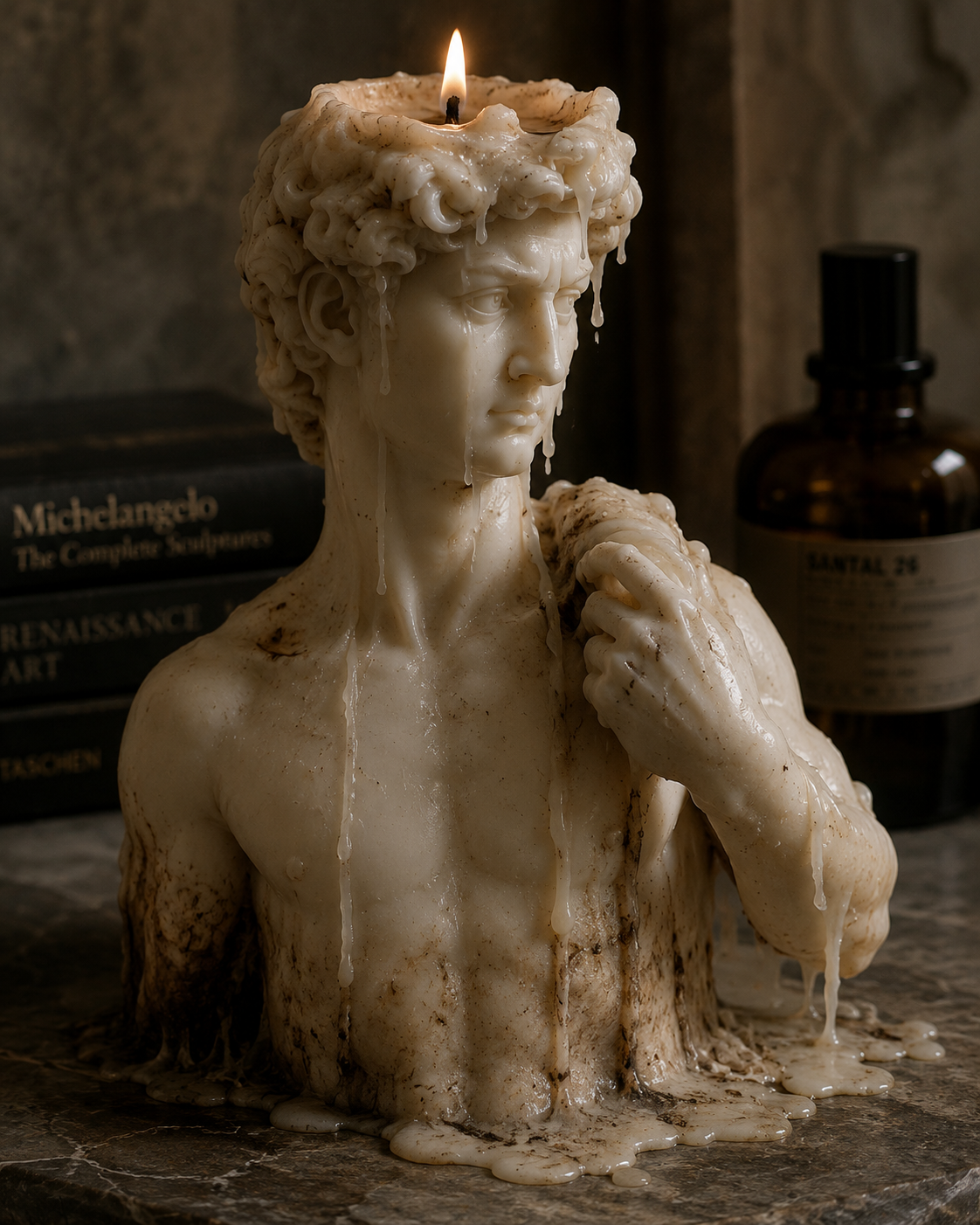
For the next repost, I’m covering that scented objects expire. Why? Because my home is filled with unused candles, and I don’t know when my partner thinks is the “right time” to use it. Also, I’m not really into cologne, so mine are super old, and while I think they’re still working fine, maybe they’re not?
Candles do lose scent over time. You can read more about that at Hotel Collection, which I’m not bothering to repost because it’s pretty damn vague. tl;dr Heat, sunlight, oxygen, and fluctuating temperatures can cause a candle’s fragrance oils to separate, oxidize, or weaken, making the candle smell noticeably less strong even before it is burned. Store candles in cool, dark places with stable temperatures to preserve both the scent and wax quality, though candles made with essential oils tend to degrade faster than paraffin-based ones. “Big Candle” even suggests that after you light a candle, you should leave it for a few hours, rather than trying to turn it off and on like a strobe.
Instead, I’m reposting Byrdie, a lifestyle publication focused on skincare, makeup, haircare, fragrance, wellness, and fashion-adjacent topics. It’s definitely not science, but who goes to a scientist to get their hair and makeup did? Also, they included sources! Read the article below or here: https://www.byrdie.com/does-perfume-expire-11898202
Note: Funny how the manly scents don’t expire as fast as the fem scents. Interpret that as you please.
The Signs Your Perfume Has Expired, According to Fragrance Experts
It has a shelf life.
Jill DiDonato; Feb 03, 2026
Key Takeaways
Perfumes typically expire after one to three years due to changes in ingredients and exposure to air.
Store perfumes in cool, dark places to maintain their scent quality and prolong their shelf life.
High alcohol content in perfumes acts as a preservative, helping them last longer compared to those with less alcohol.
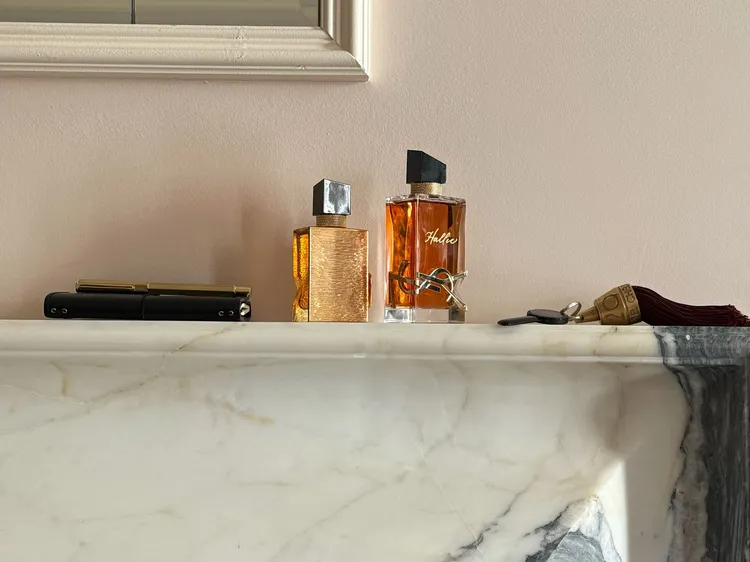
Consider this our PSA to stop being precious with your perfume. When we find a fragrance we love—and pay a pretty penny to bring it home—we naturally go into full preservation mode, doing everything to stretch the number of spritzes left in that beloved bottle. But the most disciplined amongst us may not be coming out ahead. In fact, all our reluctance to wantonly use that favored fragrance could be doing us a disservice in the end because perfume does actually expire. Certain behaviors or storage solutions can even alter the chemical makeup of a perfume, making it degrade and go off sooner.
Ahead, fragrance experts and a cosmetic chemist break down how to tell when your perfume has expired. Plus, they share a few tips on how to extend a fragrance's shelf life.
Does Perfume Expire?
As with most cosmetics, perfume unfortunately does expire—but the expiration timing depends on a few factors, such as ingredients and time of opening. Most fragrance manufacturers will recommend tossing your bottle after anywhere from one to three years (check your label), but since fragrance doesn't expire in the same sense that food does, it's sometimes okay to keep using a bottle for four, even five years.
“In my experience,” says, Bvlgari Parfums senior creative director, Amandine Pallez, “perfumes do not fade in intensity, but the scent tends to become oxidized, sour, sometimes acidic or metallic or with notes of plastic.” In other words, too much oxygen inside your perfume bottle can alter the molecules of the fragrance, which can affect the overall scent.
“The oxidation can come from the top notes like citrus, aromatics that are at risk, but also by the dry-down of the fragrance,” explains Pallez. Different formulas are more prone to oxidizing, which is why some perfumes last longer than others. “I have personally noticed that Chypre fragrances with a high concentration of Patchouli tend to risk a scent’s longevity,” she says.
The longest-lasting aromatics have a lot of chemical stability. “Woodsy notes, amber, and leather are quite stable, even after three years," adds Pallez.
Long says that you can store your citrus-based scents in the fridge to help slow this down. "The more oxygen above the juice, the faster the fragrance will oxidize, so saving the last drops of a favorite perfume is a bad idea," she says, recommending that you can decant into a travel spray once your bottle is mostly air.
How to Tell If Perfume Is Expired
"There is usually a noticeable change in the odor of the top note (this is often where the changes occur first), says perfumer, Pia Long, "and there may be a change in color of the liquid as well." Cosmetic chemist, Ginger King, adds, "Most fragrances have a yellowish tint to them (the color of oil) and when it goes bad, it can turn a darker brown."
Do Different Types of Perfume Expire Faster?
As mentioned previously, different scent families—such as citrus notes—are prone to faster rates of oxidation. The actual perfume formulation, however, may have a greater impact on how quickly the scent will go bad. Perfumes with high alcohol content tend to last the longest as the alcohol prevents the aromatic molecules from oxidizing. You might think of alcohol as an ingredient to avoid in beauty products, but when it comes to fragrance, au contraire. Alcohol is the key preservative for the integrity of a perfume. “These are typically colognes or the eau de toilettes with 90 percent alcohol,” says Pallez. “The less concentrated it is, the better longevity you can expect. A fragrance is usually 70 to 90 percent alcohol, which provides preservative support.”1
Below are the types of fragrances, listed in descending order from highest alcohol content to least:
Eau de Cologne
Eau de toilette
Perfume extract
Eau fraiche
Byrdie Tip: Clean and alcohol-free fragrances; oil-based fragrances; and perfumes with patchouli or citrus notes tend to expire (or lose intensity) the fastest.
The role of alcohol is key and has been used as a preservative in perfume since Antiquity. “The Venetians invented [this technique] when they started trading their ‘made in Italy’ fragrances across Europe,” explains Pallez. “Their scents had a new longevity feature, which was not the case with the previous fragrances that were made with oil.” The rest of your fragrance’s formula, notes Pallez, is the concentrate made up of “dozens of different ingredients, natural or synthetic molecules, in which we add a stabilizer and some UV filters to further maximize the longevity and the stability of the fragrance.”
And although clean fragrances can be appealing for those looking for a nontoxic beauty routine, natural perfumes tend to lose intensity quickly. “If a fragrance does not contain alcohol, which acts as a preservative, it will have a shorter shelf life,” says Pallez. She adds, “Natural molecules are typically less stable than synthetic.”[1]
How to Make Your Perfume Last Longer
Keep away from light: Although it might look cute to place your perfume bottles on your window sill, this is the worst place to store fragrance if you want to preserve its integrity. Pallez says that light will break down the molecules of a fragrance making its composition unstable and prone to oxidation.[2]
Keep away from heat (and humidity): Heat will also break down fragrance molecules and alter their chemical makeup. Pallez suggests you keep the fragrance below 15 degrees Celsius or 59 degrees Fahrenheit. Long says to steer clear of storing fragrances in the bathroom, too.
Keep using it until the bottle is empty: “When half empty, the oxygen inside increases the risk of alteration,” says Pallez. If you have an extensive perfume wardrobe, Long says to "rotate your collection so that the lowest juice bottles get used up first and the rest should wait in a cupboard or a drawer."
Keep in original bottles: Frequently decanting fragrances into atomizers or smaller, travel-friendly tubes may be more practical than lugging around a full-size bottle, but it won't do you any favors in terms of longevity as it exposes the fragrance to oxygen.
Store in a cool place: To keep your fragrance at the ideal temperature, the fridge is a good option. However, Pallez has a caveat. “The fridge is not the perfect place if the whole family keeps on opening its door, constantly lighting up the inside.” You could wrap your fragrance in aluminum foil, or better yet, try the freezer. As previously stated, most perfumes contain alcohol so those won’t freeze, plus it feels refreshing to spritz it on your skin after storing it at a cooler temperature.
How Long Do Unopened Perfumes Last?
Unopened bottles stored in a cool, dark dry place can last for years (anything from a couple of years to a couple of decades), depending on the perfume and storage conditions. "Beware the 'vintage' find as the top notes are usually off by the time you get it," says Long. "Once you are using a bottle, use it or lose it."
Byrdie Tip: An opened bottle of perfume can last anywhere between three months to three years, depending on the scent’s construction and what the packaging is like, and, of course, how it’s stored when in use.
Is Using an Expired Perfume Safe?
It depends. According to Long, certain oxidized products can become skin irritants and some might even start to stain clothes where they didn’t before. "Always do a patch test somewhere like inside of your wrist to check and if you’ve not reacted in 24 hours, apply cautiously at your own risk." King echoes the words of caution and adds that when applied to the skin, "the decomposed compounds may lead to allergic reactions upon direct contact." If the juice is not staining fabric but you’re still not sure about putting it on your skin, try scenting your clothing with it. "A scarf, handkerchief, inside hem of a skirt or trousers, can be a nice way to wear perfume," says Long.
The Final Takeaway
Taking care of your fragrance is essential to preserving its longevity. Plus, you can get the most out of your scent and make it last longer on your skin by applying it correctly. Avoid rubbing fragrance on pulse points, as your body heat will evaporate some of the notes. Instead, apply on moist, damp skin to lock in scent as you savor every last drop.
FAQ
Does perfume expire?
Yes, perfumes do sadly expire. Over time, with exposure to air and temperature changes, the formula can change, and the aromas become altered. It's the alcohol content that helps preserve perfume, says Pallez. Usually, the more alcohol in the formula, the better the longevity.
How can you tell if perfume has expired?
When a perfume has expired, it will smell different, and can look different, too. You might notice your scent smells more sour, more acidic or just "off". It may also change in color. When this happens, it's best to toss it.
How can I make my perfume last longer?
Help your perfume stay fresh and last longer by storing it in a cool, dark and dry place. Think twice before storing it in your bathroom as things can get humid and warm while showering or bathing.
Article Sources:
Sikora E, Małgorzata M, Kennard KW, Larson E. Nanoemulsions as a form of perfumery products. Cosmetics. 2018;5(4):63. doi:10.3390/cosmetics5040063
Watabe N, Tokuoka Y, Kawashima N. Stability of O/W emulsion with synthetic perfumes oxidized by singlet oxygen. J Chem. 2013;2013:971805. doi:10.1155/2013/971805
Final Thoughts
This has been a really long way of saying “Use your shoes and perfumes,” so I’ll cut to the end.
I’m not an NFT Guy. I’m a “Let’s ALL Enjoy Things” Guy.
I don’t want to own a rare Wu Tang album. I want to share it with friends, bobbing our heads together.
Enjoyment, whether taken now or deferred for later, should ideally be shared.
Modern consumer culture has trained people to become museums for their own belongings. And while museums can be fun, that’s only because they have visitors. If nobody is ever seeing or experiencing your collection, you’re running the worst museum. At some point, you need to wear the collection out into the real world for people to appreciate.
I guess what I’m saying is that you should enjoy your things, but you should also make actual plans for when and where to enjoy them. It’s perfectly fine to defer a candle or a tuxedo for a special occasion, so long as you know when that special occasion is instead of vaguely hoping one materializes before the item chemically decomposes.
Yes, there are things worth preserving. Yes, there are people whose entire identity revolves around carefully maintaining collections they refuse to touch. Of course I’m not saying someone with a cellar full of fine wine should open every bottle tomorrow and turn it all into sangria. I am suggesting they open a bottle here and there, without a major occasion, if only to confirm they successfully preserved it and are not emotionally attached to an expensive bottle of vinegar.
Using things can improve things. The whole “use it or lose it” idea is not just about sexy time and physical fitness. Leather gains patina. Cast iron becomes seasoned. Friendships deepen through shared experiences. Skills improve through repetition. Using things is often how they become sentimental in the first place.
There is value in deferring enjoyment… sometimes. If every expensive bottle gets opened randomly on a Tuesday while doomscrolling, or for that one extra greedy house guest, specialness itself disappears. Anticipation can be pleasurable. Preservation can create meaning. The issue is not saving things. The issue is forgetting that the point of saving something is eventually to use it. Which is why it’s important to plan fun events that justify your fun stuff.
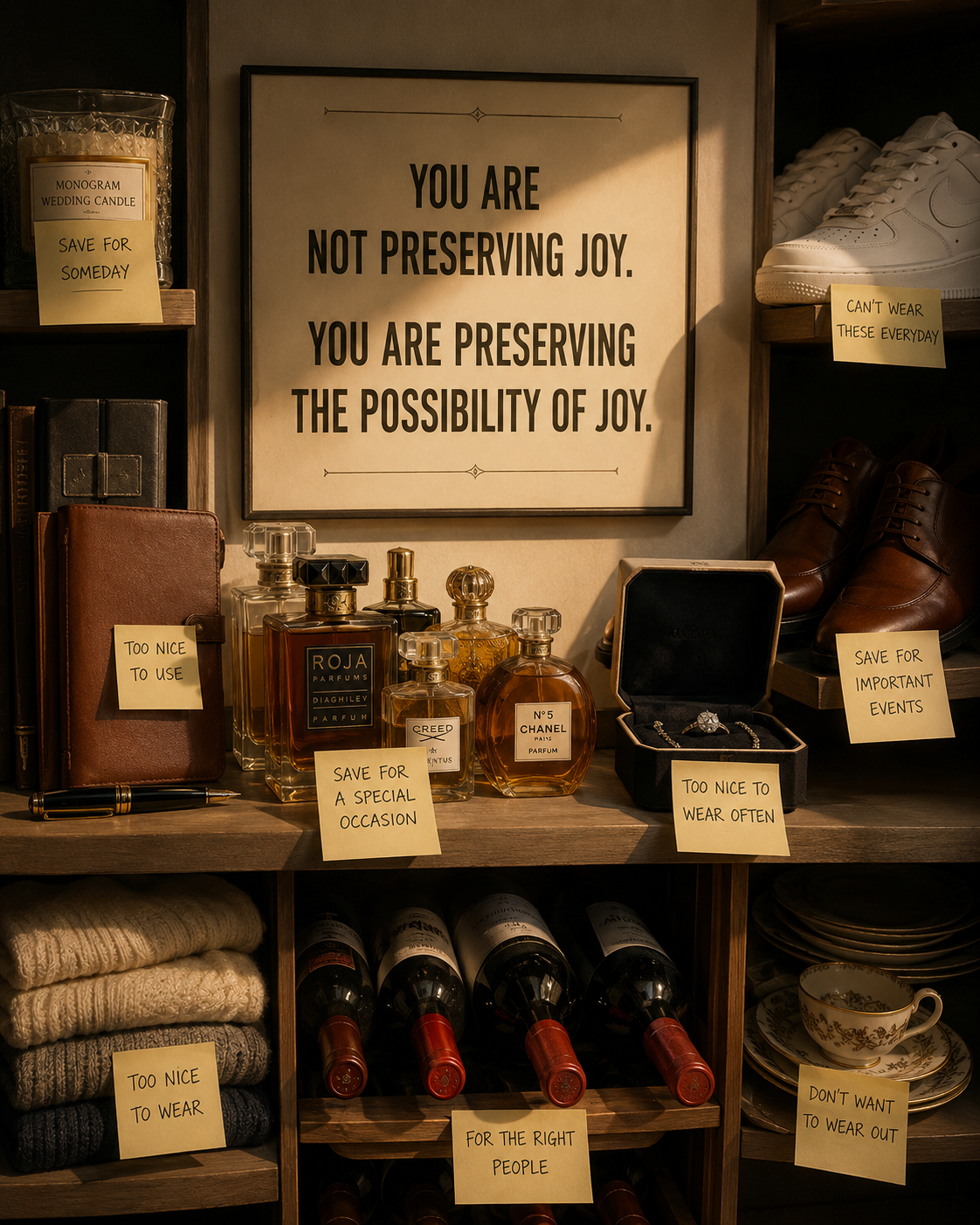
Otherwise, you are not preserving joy.
You are preserving the possibility of joy.
And maybe you’re hit by a bus before getting to that day you finally want to use that Easy-Bake Oven mix.