
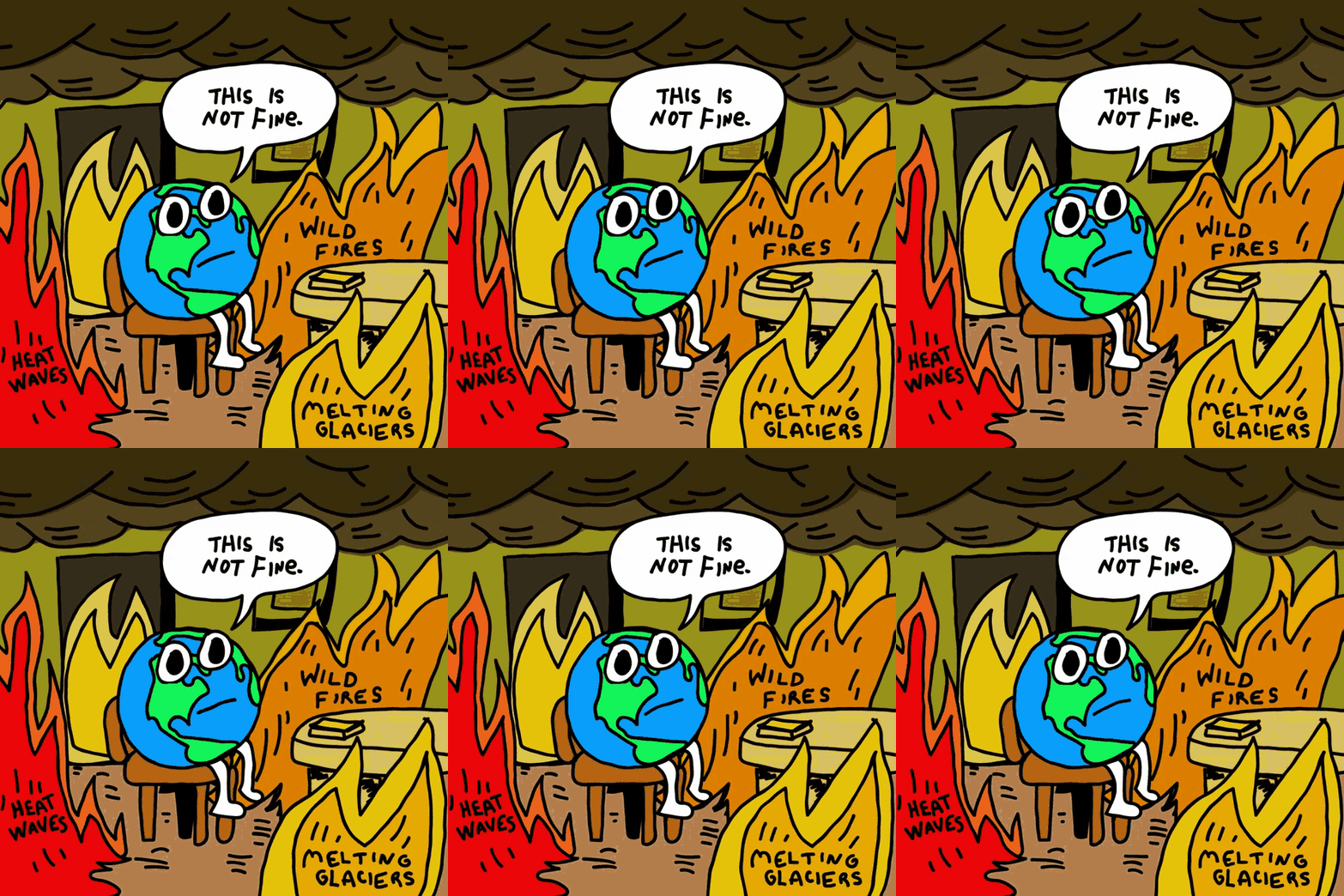
Why don't we just take the water, and push it somewhere else?
We are looking at diverting about 1,444 km^3 annually, resulting in 72,200 km^3 over 50 years.

Repost: Matt Reynolds (Wired), "You’re Allergic to the Modern World"
Are allergies caused by toxins, climate change, hate for our mothers or something else? Read this Wired post to not get a straight answer.
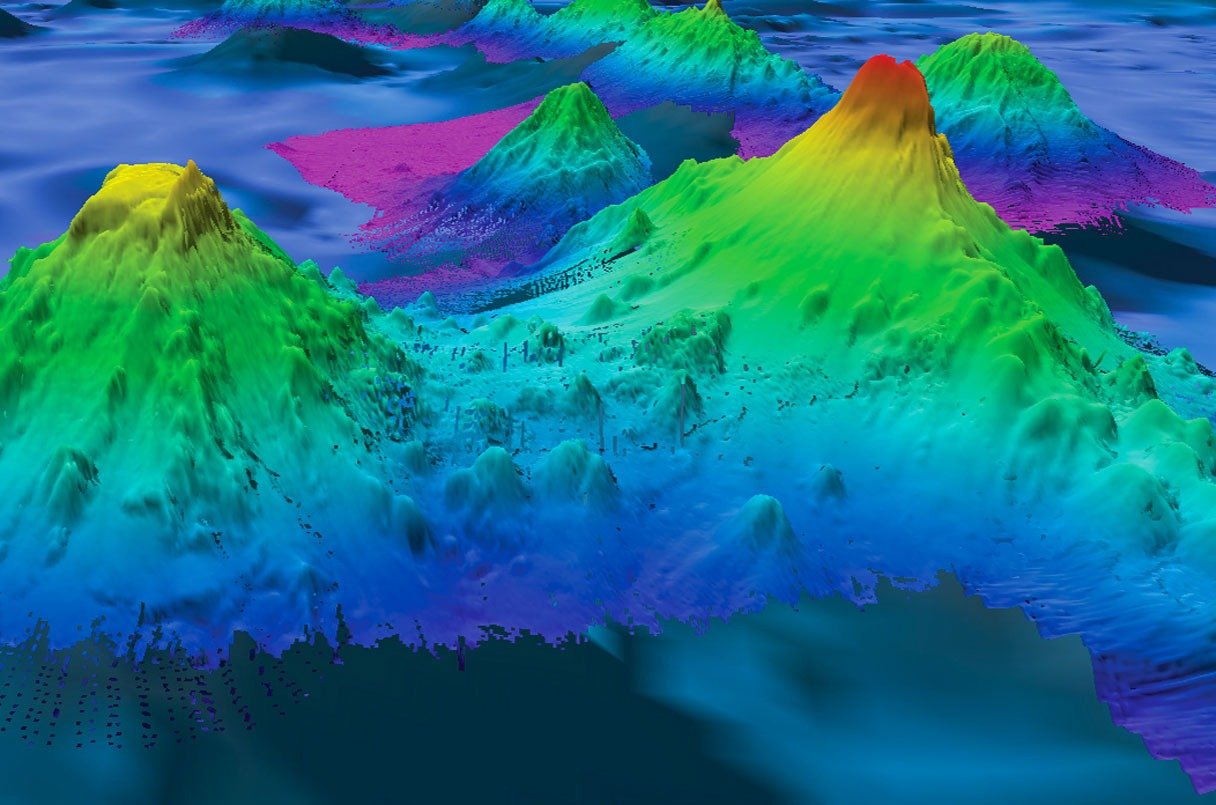
Repost: Paul Voosen, "'It’s just mind boggling.' More than 19,000 undersea volcanoes discovered"
With only one-quarter of the sea floor mapped with sonar, it is impossible to know how many seamounts exist… The vast majority remain uncharted by sonar.

Defending Eurovision's Cha Cha Cha
Finnish group Käärijä was undoubtedly the fan favorite. They lost.

The Keffiyah, Pal-Chilean and Pop Star-Politician Farce
Claims of Palestinian thobs and jillayehs undermine distinct Arab cultures for pan-Arabism. These claims amount to, “Well, actually, the warring Arab tribes all identified as Palestinians! [citaiton nonexistent]”
Repost: Anders Corr, "China’s Genocide in Tibet"
Repost: Anton Cebalo, "The Social Recession: By the Numbers"

In Defense of Filming Crime
So I say we should be ashamed of the crime rates and apartheid of St. Louis, where this man managed to murder and walk the streets for hours. We should be more ashamed of the media that pushes this content on us. And we should be even more ashamed of the social media that prioritizes clicks over mental health, wanting us to see content we explicitly do not want to see, just because it gets a reaction. We should never shame the bystandards of horror for their natural reactions. After all, most of us would do the same.

Repost: Eric Schmidt, "Why Technology Will Define the Future of Geopolitics"
If necessity is the mother of invention, war is the midwife of innovation.