

Repost: Matt Reynolds (Wired), "You’re Allergic to the Modern World"
Are allergies caused by toxins, climate change, hate for our mothers or something else? Read this Wired post to not get a straight answer.

Repost: Max More, "Who are the Experts on Cryonics?"
“We must face the fact that experts – even the best experts we can find – are often wrong or biased”
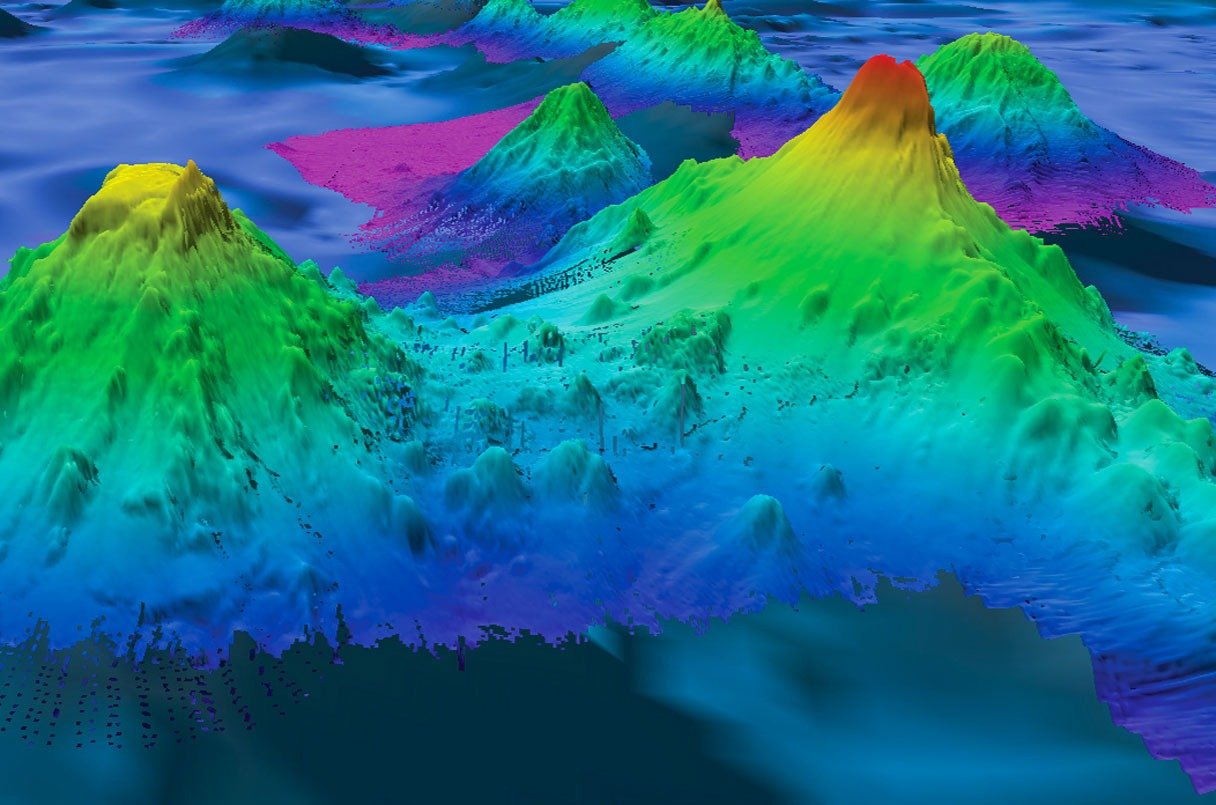
Repost: Paul Voosen, "'It’s just mind boggling.' More than 19,000 undersea volcanoes discovered"
With only one-quarter of the sea floor mapped with sonar, it is impossible to know how many seamounts exist… The vast majority remain uncharted by sonar.
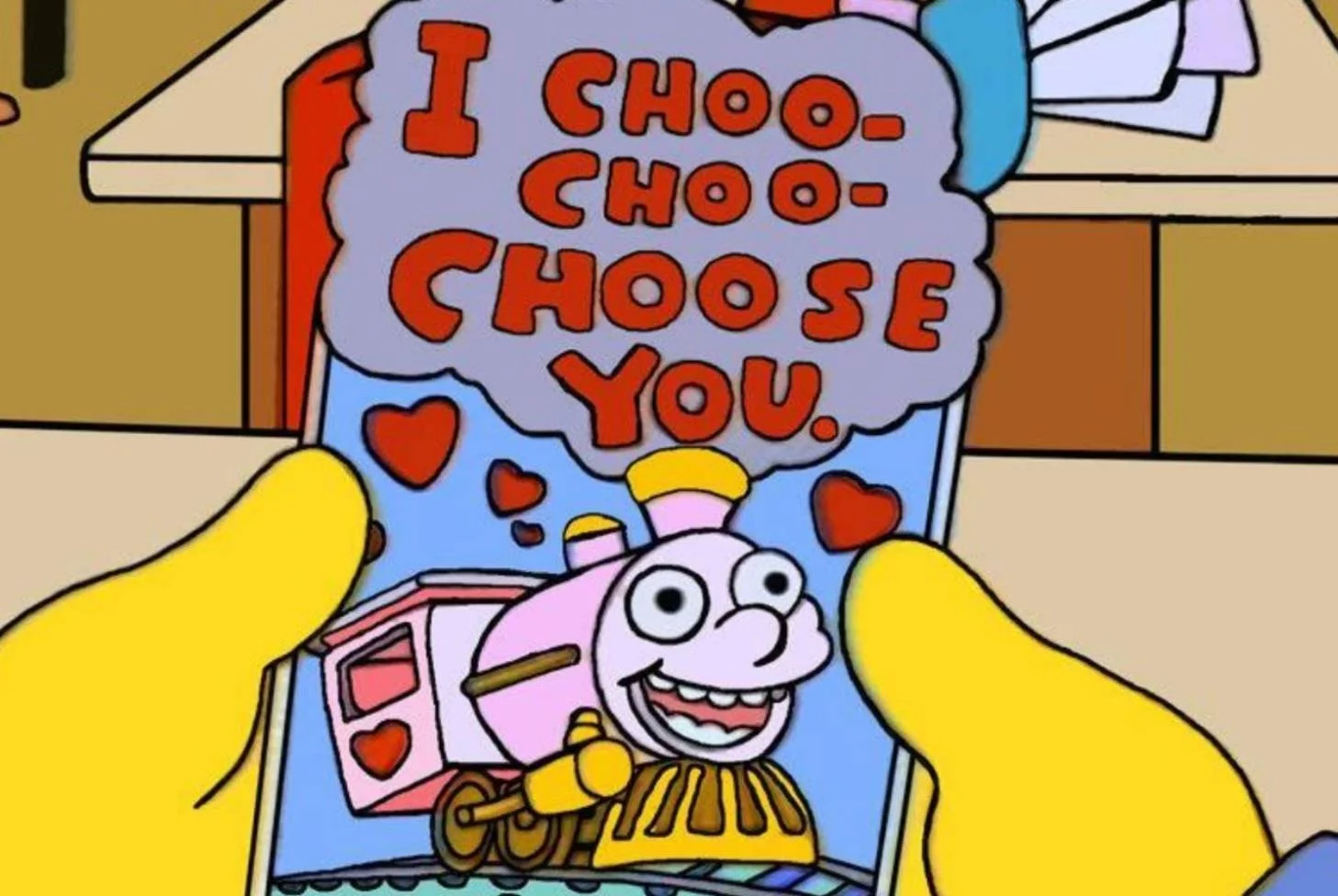
Repost: Brooke Houghton, "Someone In Toronto Asked Me Out IRL..."
“Seeing how someone acts in real-time — and when they don't have the opportunity to curate or edit themselves — creates a much more authentic interaction."

Defending Eurovision's Cha Cha Cha
Finnish group Käärijä was undoubtedly the fan favorite. They lost.
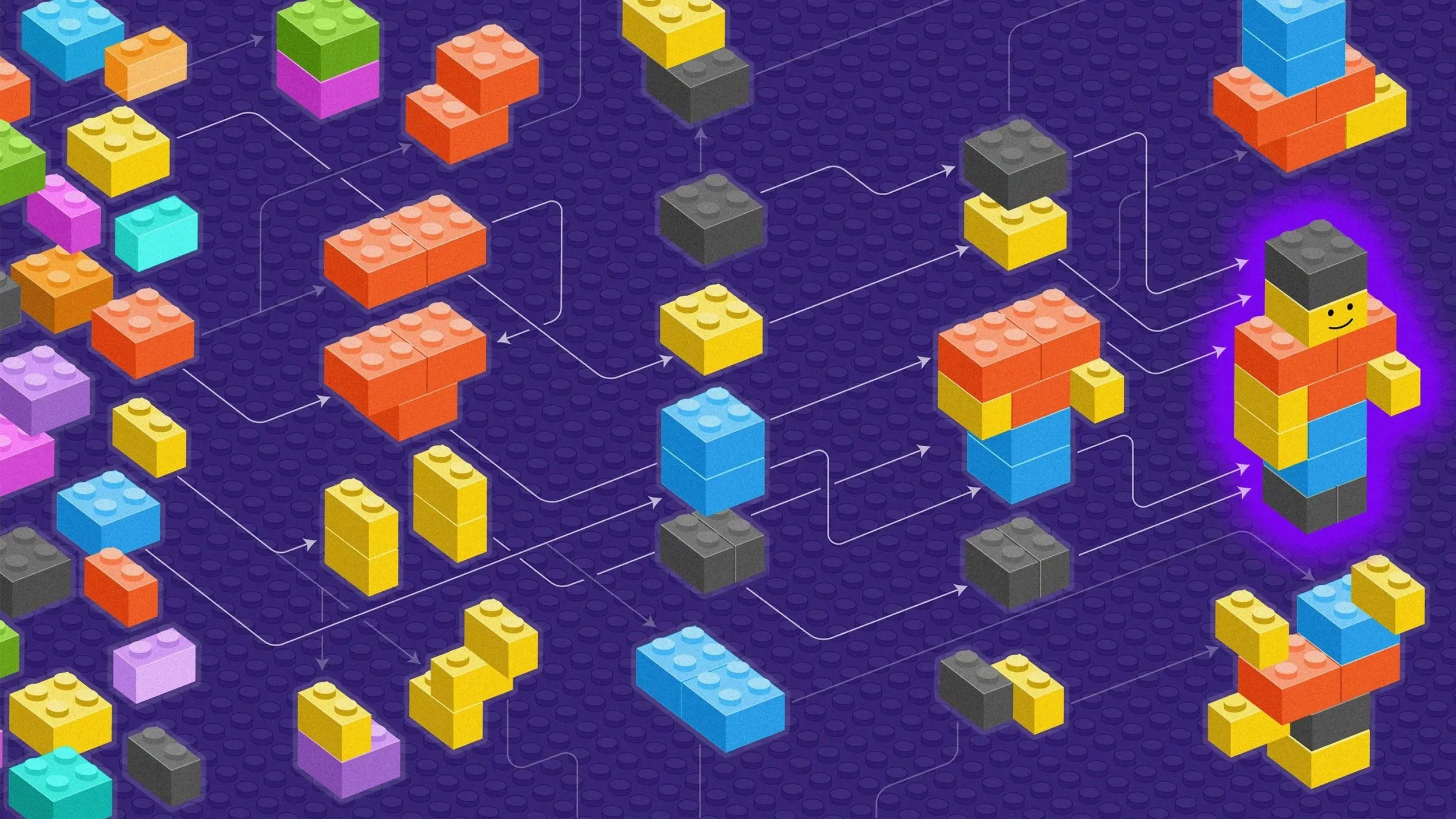
Repost: Philip Ball, "A New Idea for How to Assemble Life"
“assembly theory provides a consistent and mathematically precise account of the apparent historical contingency of how things get made — why, for example, you can’t develop rockets until you first have multicellular life, then humans, and then civilization and science. There is a particular order in which objects can appear.”
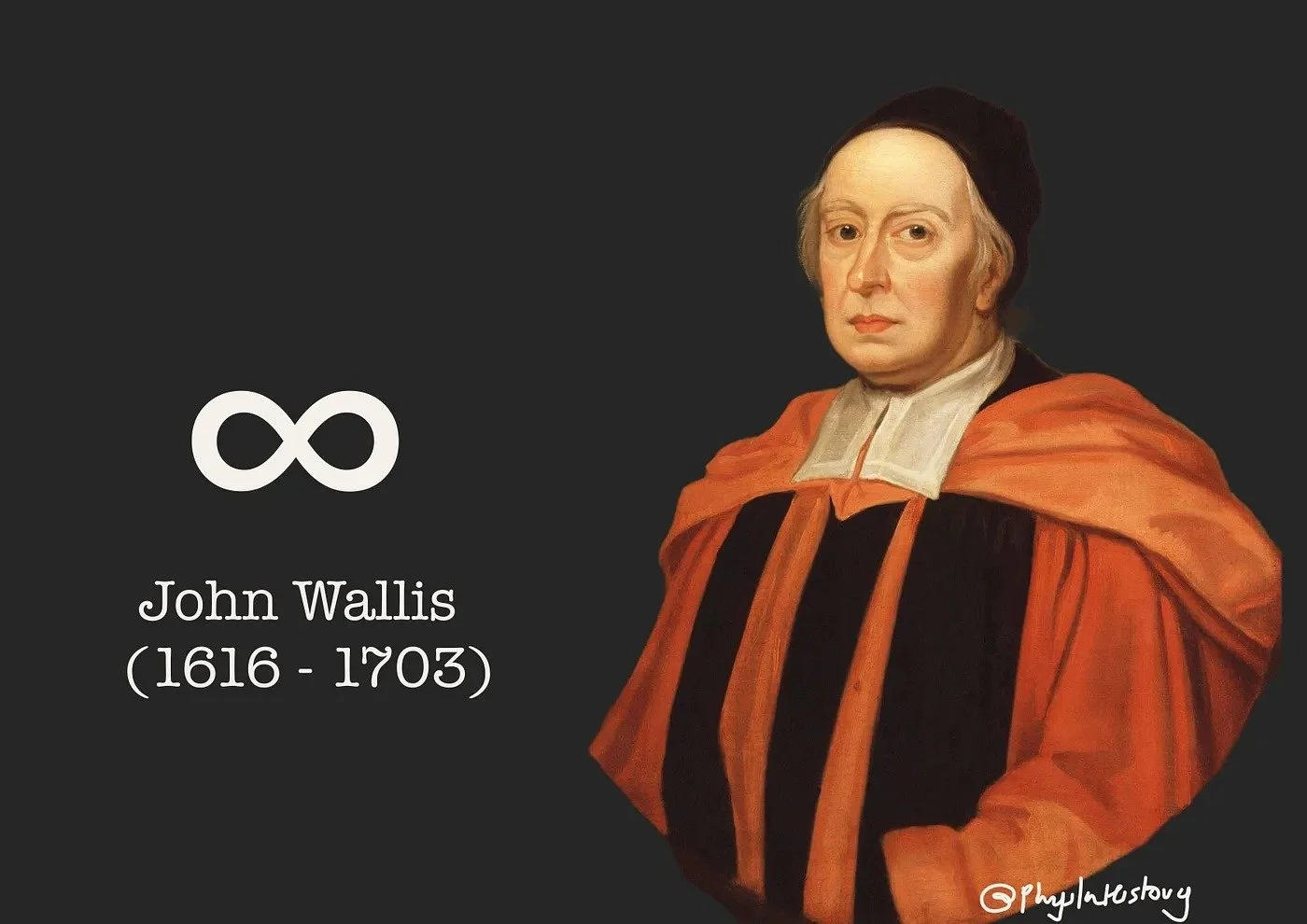
Repost: Sunny Labh, "Tracing the Origins of Mathematical Symbols: =, +, -, ×, ÷, √, ∞, π, Σ, ∫, f(x)"
It was in 1557 when the Welsh mathematician Robert Recorde who introduced the equal sign. In “The Whetstone of Witte,” Recorde explainedhis choice of two parallel lines to represent equality, as “nothing could be more equal.” The symbol has since become universally recognized.
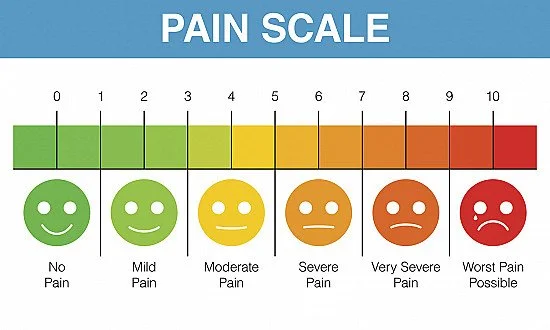
Repost: Radimentary, "Pain is not the unit of Effort"
Oftentimes the defining difference between the protagonist and the antagonist is that the antagonist did not have enough pain tolerance and allowed the (unbearable physical) suffering in his life to drive him mad.

Ask Chat GPT -- Writing vs Typing Math
If you have learned to visualize fractions in a vertical format, you might find it challenging to read typed-out math that displays fractions in a horizontal format (numerator / denominator). However, with practice, most individuals can adapt…