Why I'm Reposting
Of the many jokes I try over and over, one category fails hardest. And yet I keep trying.
Today, I'm talking scents.
I have fond memories of visiting fancy perfumeries in Tel Aviv, Paris, NYC, and other overpriced cities for the worst people, people like me. Places that sell $400 bottles with names like Play-Doh, Tolerable Homeless Man, Thanksgiving Dinner Uncles Fight. I admire the art of making fake scent names, because the real ones are so much wilder.
Do you smell inspiration? Go see your doctor.
First, there's Yankee Candle's Stages of Abstraction, a solid base. You've likely already seen this on social media, so you get to enjoy that feeling where you evoke a laugh before even finishing the joke. Yankee Candle scents go from distinct things like Black Cherry and Clean Cotton to wild names like Snowflake Kisses, Sweet Nothings, and finally Inspire. Some guy on Twitter perfectly captured it, and some fellow blog nerds (in Iceland) shared it, so I’m reposting the reposting.
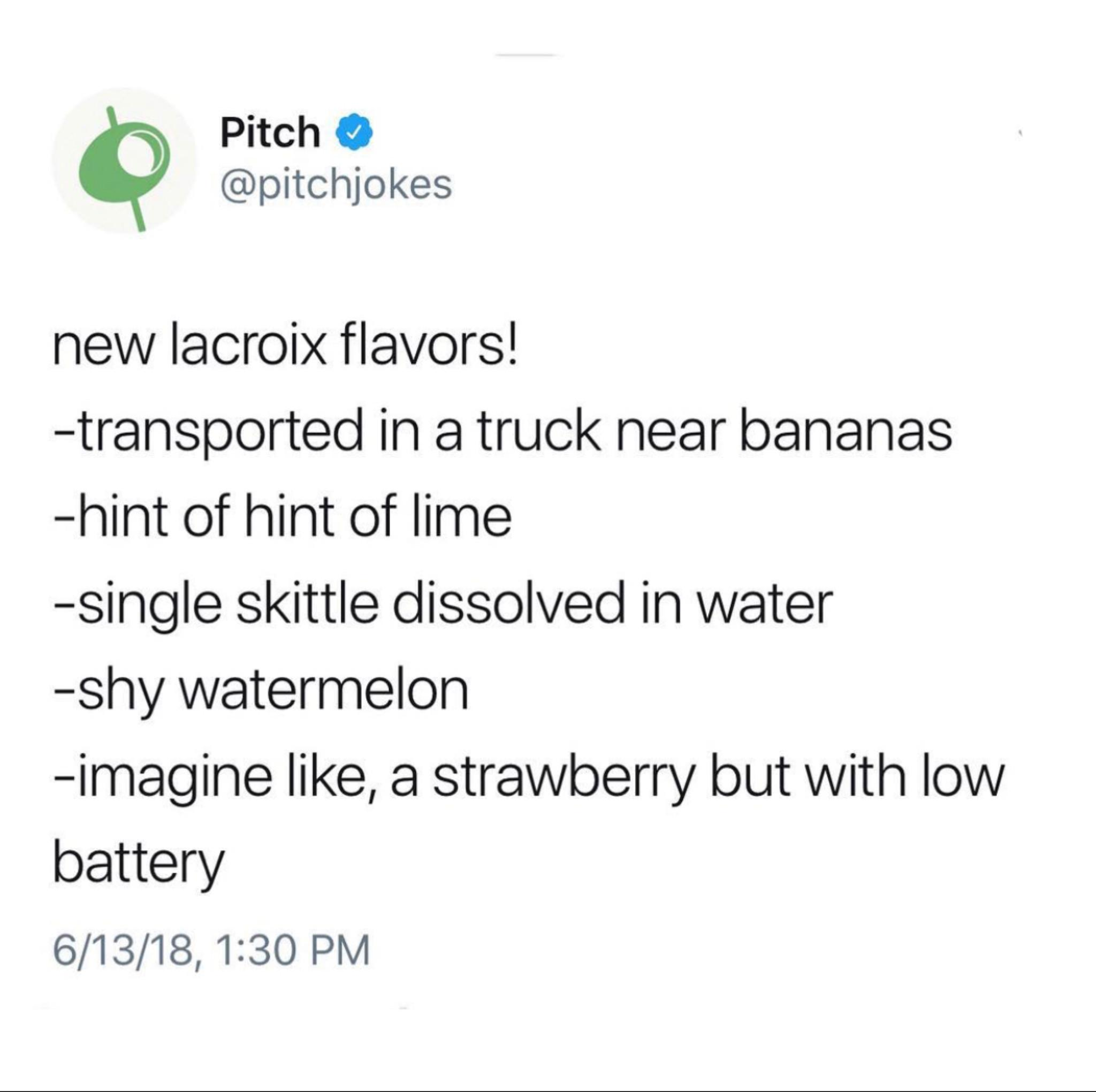
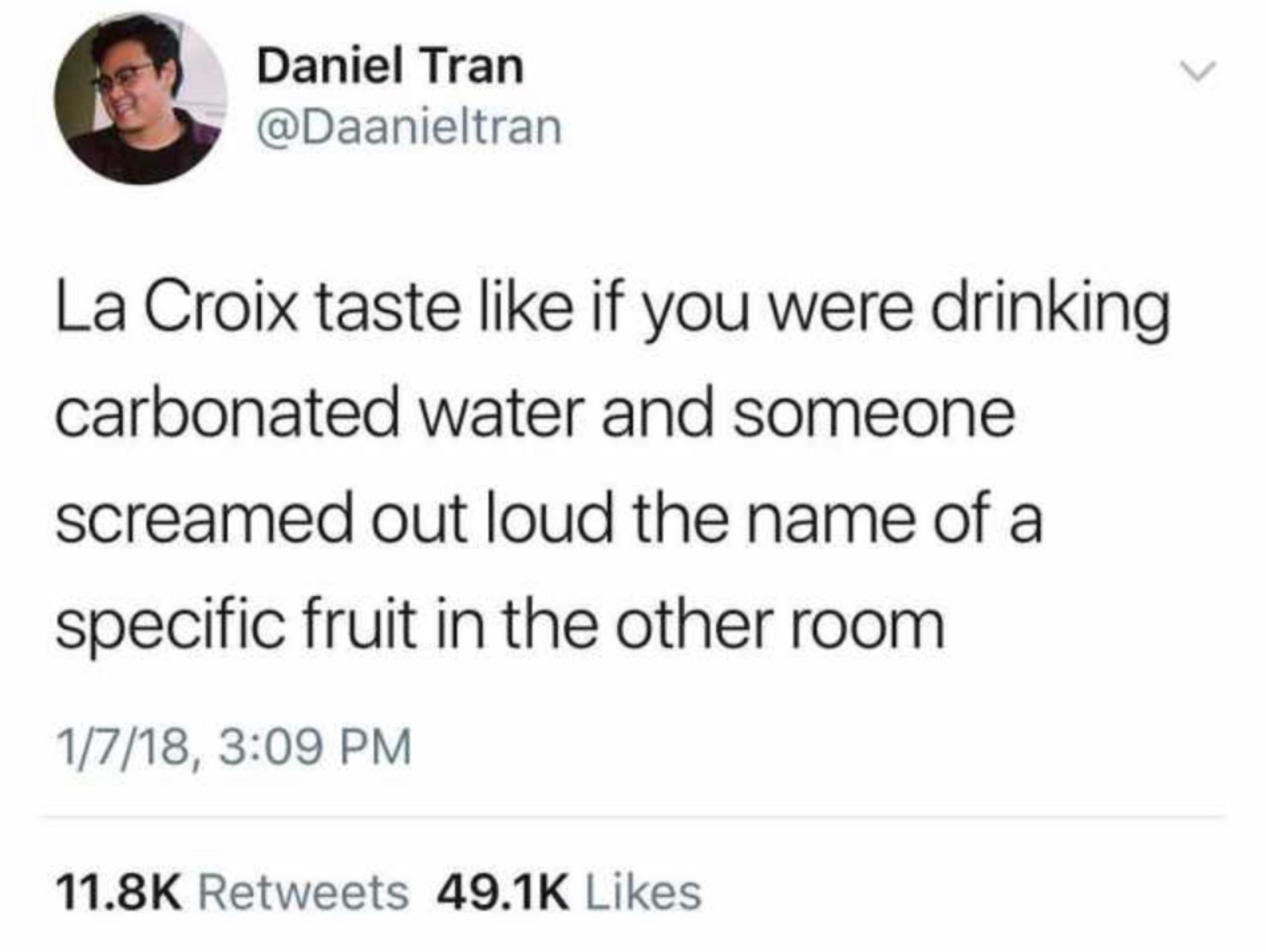
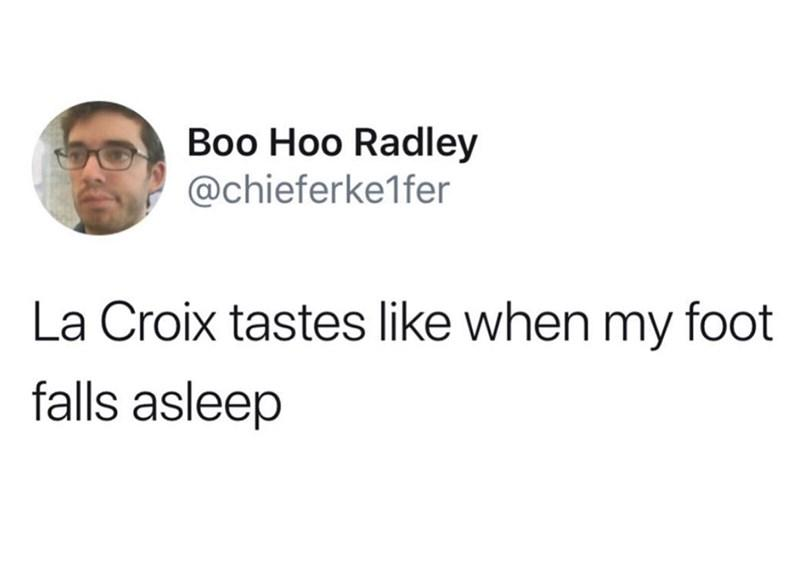
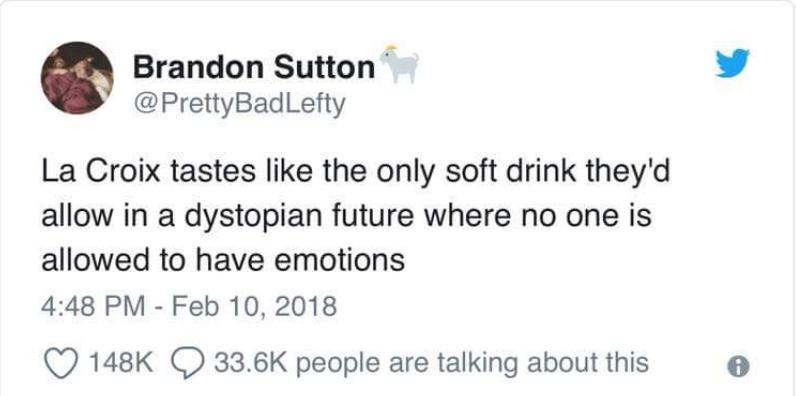
Then come the LaCroix memes, because why not?
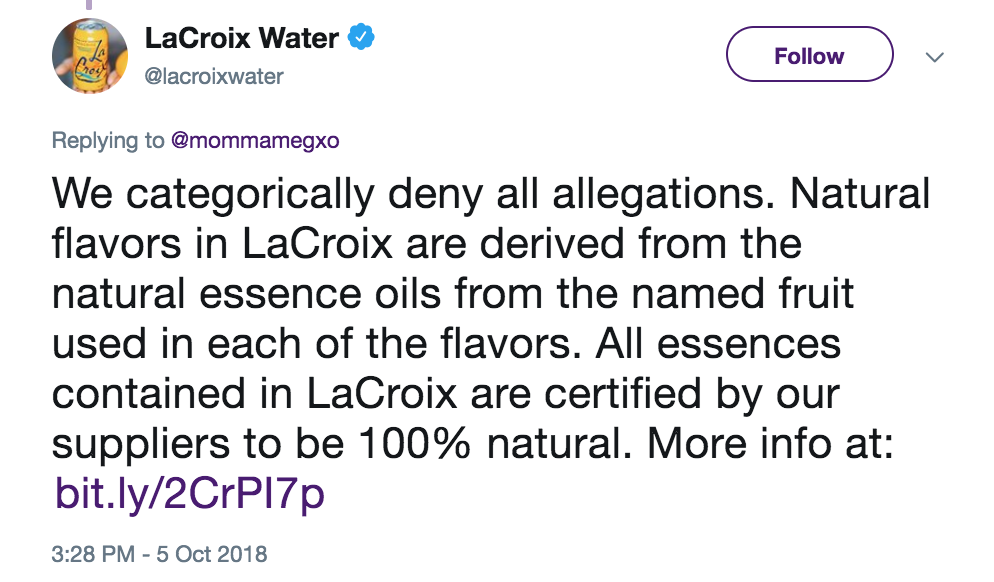
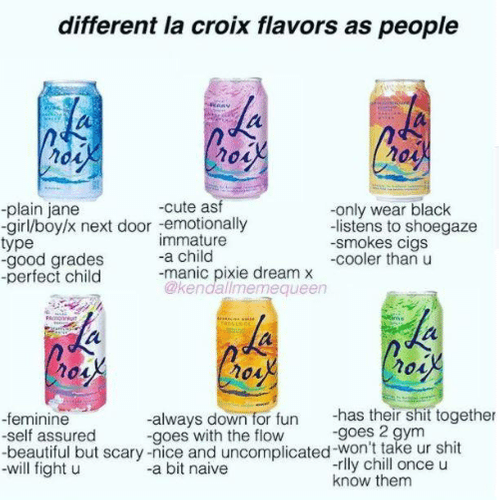
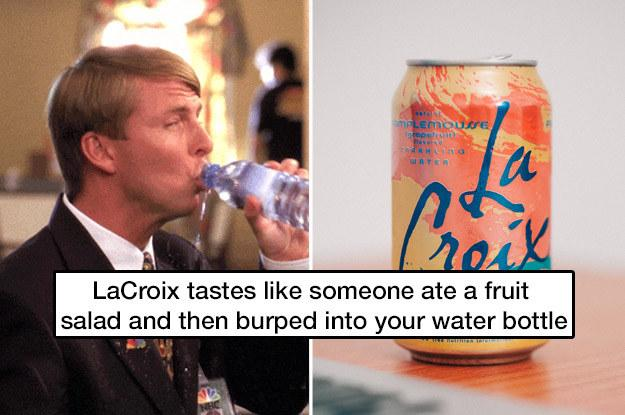
LaCroix is a great seltzer I used to drink in absurd quantities. Even the brand’s name has become a marketing joke, with sixteen different ways to pronounce it. I've counted. I don't know how the company feels about the memes describing its flavors as someone whispering the name of a fruit from another room, but as a fan, I love them.
There is a connection to smell here, because smells are about thoughts and images first. While I was trying to articulate this, I found someone beat me to the comparison by a solid year. They even referenced the same origin: that damn Yankee Candle thread. Woo! This one is by Emily B Jensen, aka Good Sillage, and you can read it below or here: https://emilybjensen.substack.com/p/lacroix-stages-of-abstraction
Look, I will pay for absurdity. More absurd, I tells ya! More! I want Tim & Eric and I Think You Should Leave in a spray bottle or can. I am team, “The Gatorade flavors are blue, purple, yellow. If you call it by the actual name you’re 100% a cop.” (Origin not found, but internet people know…)
Finally, we sniff straight at the source with reposts about the ridiculous names of men's soaps and deodorants. Products I actually buy, because, well, they smell good. Who cares if Swagger makes any sense? Men want that Crimson bottle of musk and sandlewood. While the women in my life enjoy these scents on me, I'm culturally conditioned to be repulsed by the idea of my wife wearing them. Women get the girl-y smells, men get the manly smells, gays get the manly smells with cake batter added, and occassionally we all meet in the middle with some Brazil perfume we bought because it was on mega sale.
We start in 2016, when Dollar Shave Club released a series of commercials making fun of absurdly masculine body wash scents, like Massive Hero, Deep Midnite, and Neon Groove. You can watch the commercials here, or check out all three on the directors' portfolio.
In 2017, The New Yorker (RIP) took the joke to its logical conclusion, imagining a deodorant company where women's scents include Whispered Ginger Promises and men's include I Own a Truck and Four Toolboxes Fucking.
Finally in this finally, I look into if this is really a men-versus-women thing. A 2019 IMAGE article explores how men's grooming products promise danger, power, and invincibility, while women's promise softness, flowers, and gentle embraces. Then, in 2020, Hypebeast interviewed actual perfume experts and complicated the premise. Fragrance historian Barbara Herman says perfume's history is one of "gender fluidity no matter where you look." Spoiler: I hate marketing and I don’t get it.
This isn't about chemistry, skin interactions, or my article on why you should use your perfumes and shoes before they expire. This is just about absurd scent names. Because I keep referencing these jokes, and nobody gets them.
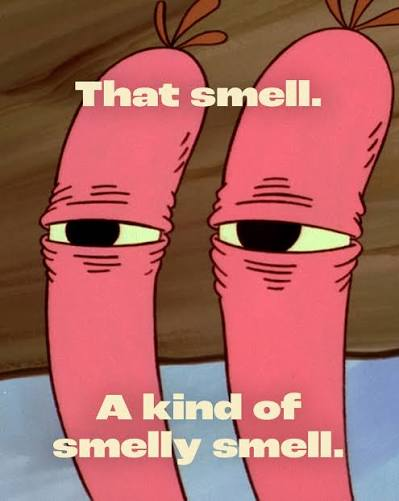
In the words of the great Mr. Krabs, "Do you smell it? That smell. A kind of smelly smell. The smelly smell that smells... smelly."
Yankee Candles Levels of Abstraction
Optional.IS (via Alex McMillan) Dec 6, 2022
This is a twitter thread by Alex McMillan. It was interesting and informative and given that Twitter might not exist in the near future, we’ve unrolled it here with some additional commentary.
The original Twitter thread is here: Yankee Candle’s States of Abstraction. (But we can’t promise the link works). The levels, photos and original descriptions are all Alex’s.
Recently, we posted about Color Name Abstractions. This is an academic research and publication of the use of certain color names to influence your decisions. In that, they had four levels of abstraction: Common, Common descriptive, Unexpected Descriptive and Ambiguous. Each of which had their own impact and perception by the reader.
It was interesting for us to find a similar, albeit longer and less academic, look into the names of Yankee Candles. This list is a funnier look at how abstract a name can become. Who knows, (well Yankee Candle does) if the name has an influence on the purchase, or if there is any correlation between the abstractness of the name, the smell, the color and the sales?
Here are the eight levels of abstraction that Alex McMillan defined for the Yankee Candle line-up.
Level 1
The scent represents a physical object where the object’s aroma is one of its distinct properties. Black Cherry, Fresh Mint
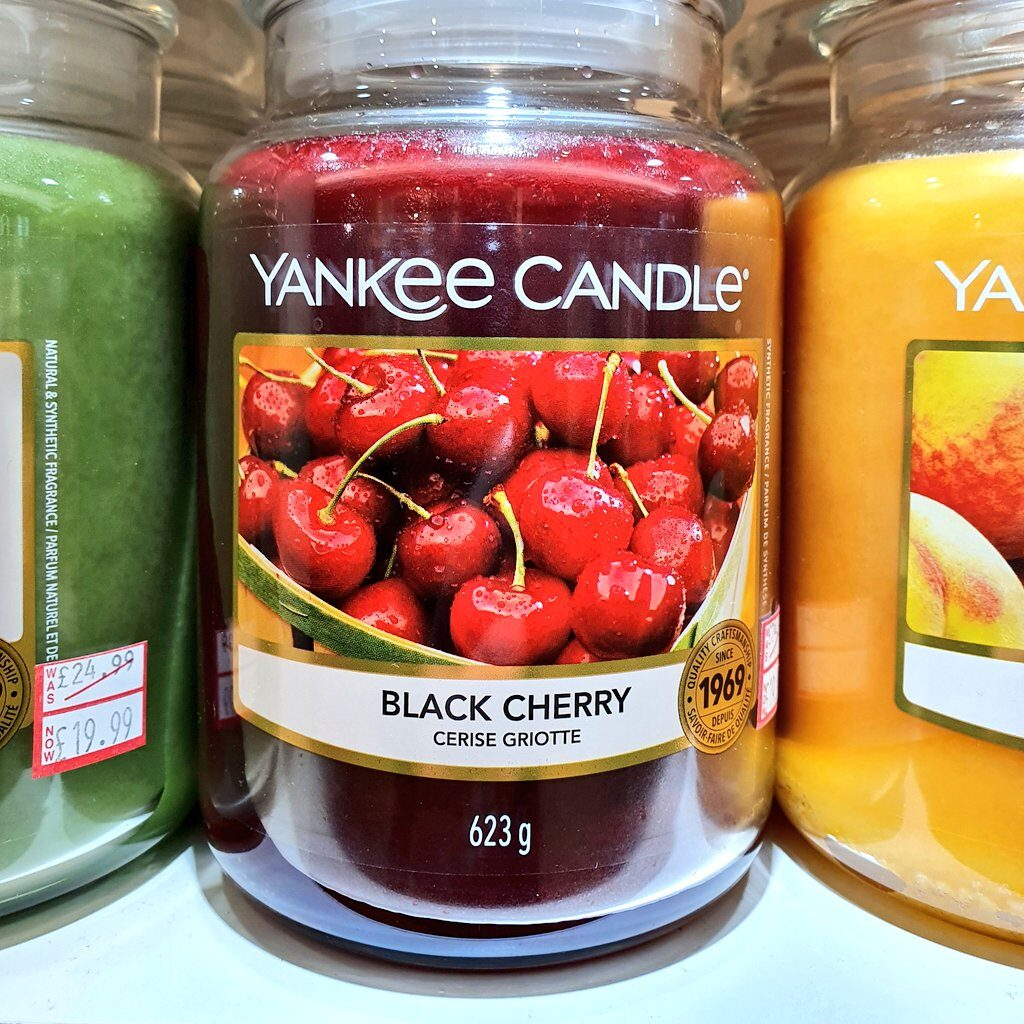
Black Cherry Scented Yankee Candle
Level 2
The scent represents a physical object in a specific state, where the aroma represented is not necessarily that of the object, but rather representative of that object’s state. Clean Cotton (in this case, the clean-ness is the smell, not the cotton), Balancing Sandalwood & Rose
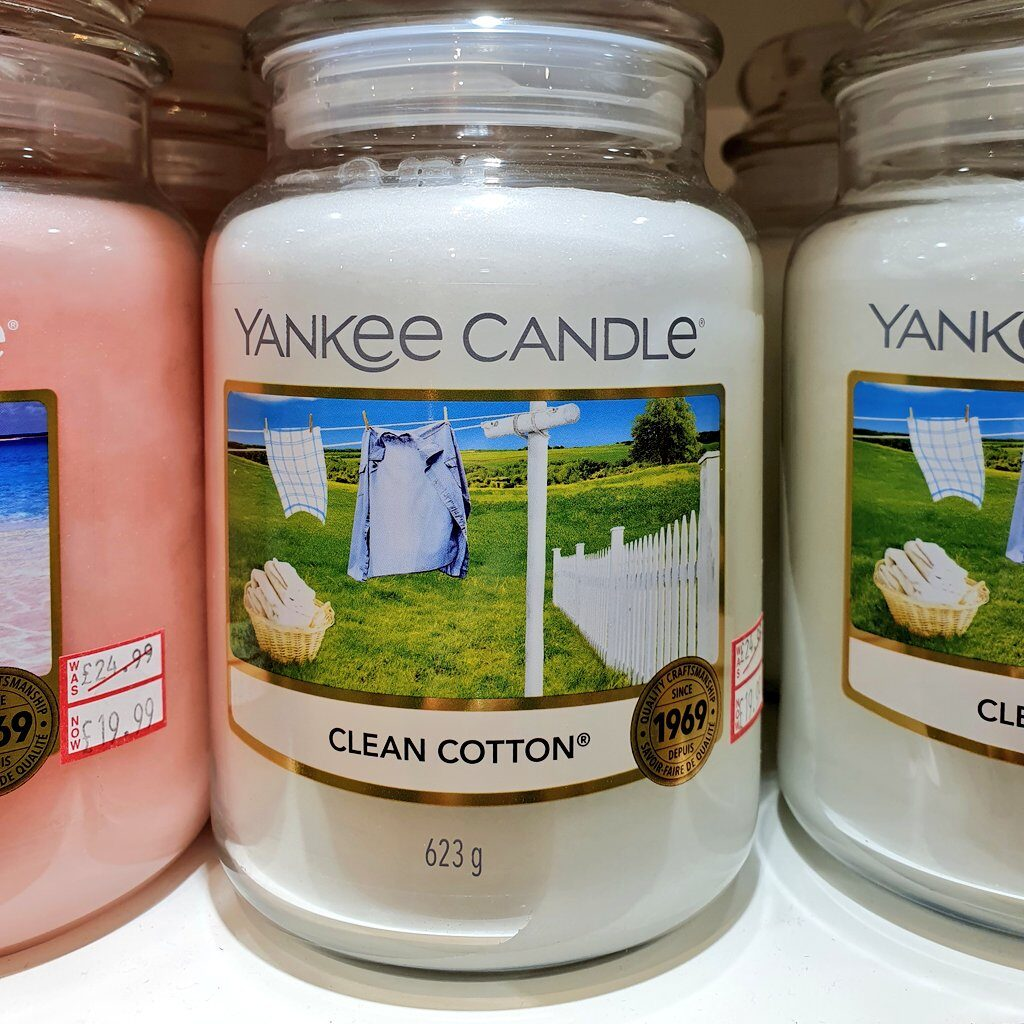
Clean Cotton Scented Yankee Candle
Level 3
The scent represents a location or event, where the aroma is supposed to be reminiscent of an intrinsic property held by a collective of objects, where that property doesn’t necessarily affect the collective’s aroma. Cliffside Sunrise, Mountain Lodge™
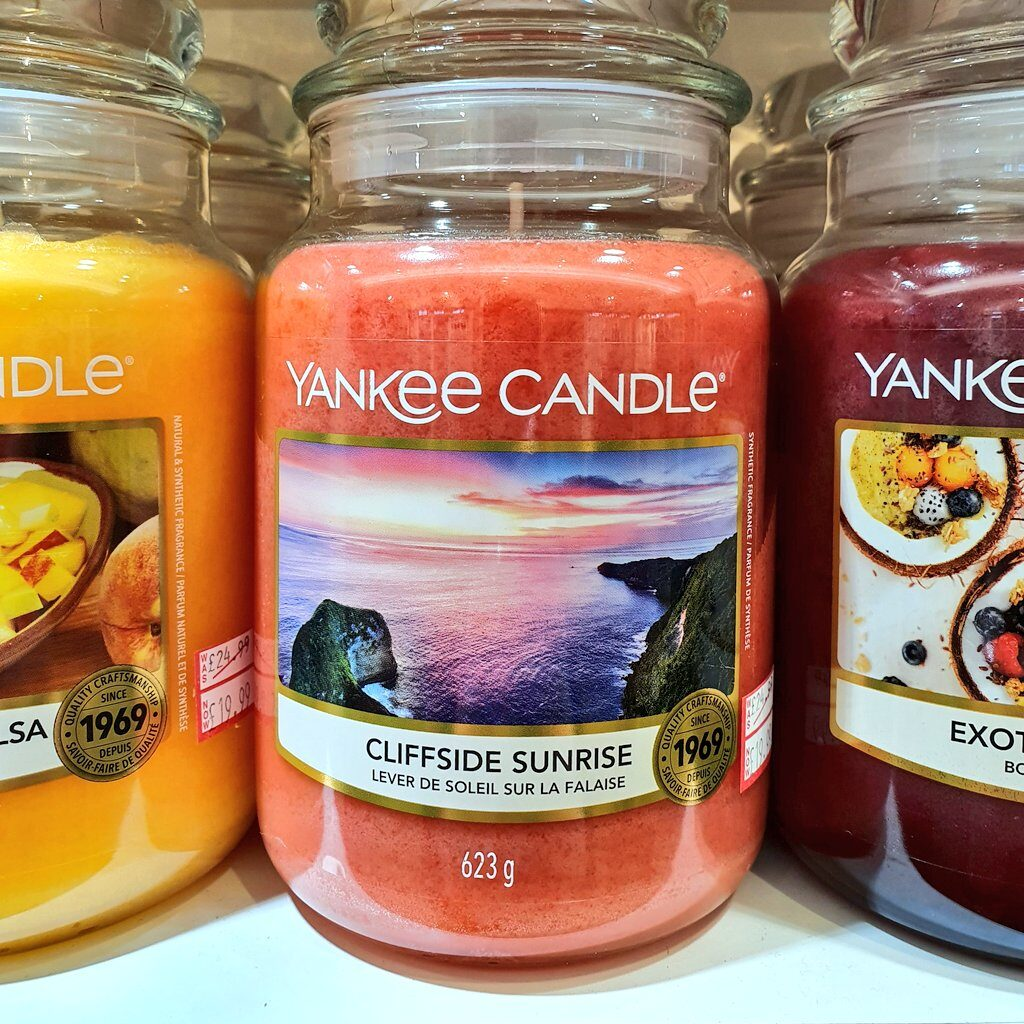
Cliffside Sunrise Scented Yankee Candle
Level 4
The scent represents an event with an intrinsic property. This temporal aroma is devoid of location or physical property, but a shared idea of the property is still understood. Autumn Sunset, Winter Night Stars
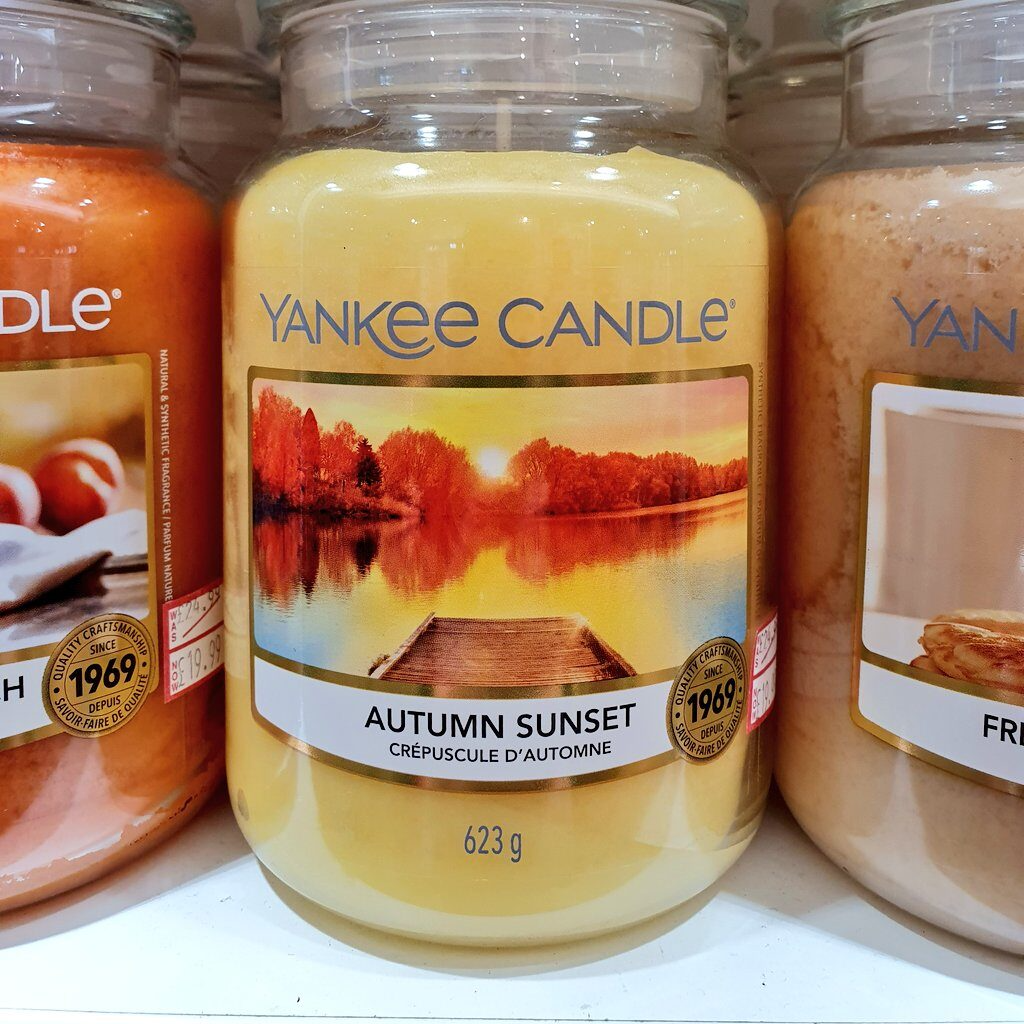
Autumn Sunset Scented Yankee Candle
Level 5
The scent represents a fully personal experience with some unrelated property. The experience itself has no aroma or shared understanding. Sunny Daydream, Snowflake Kisses
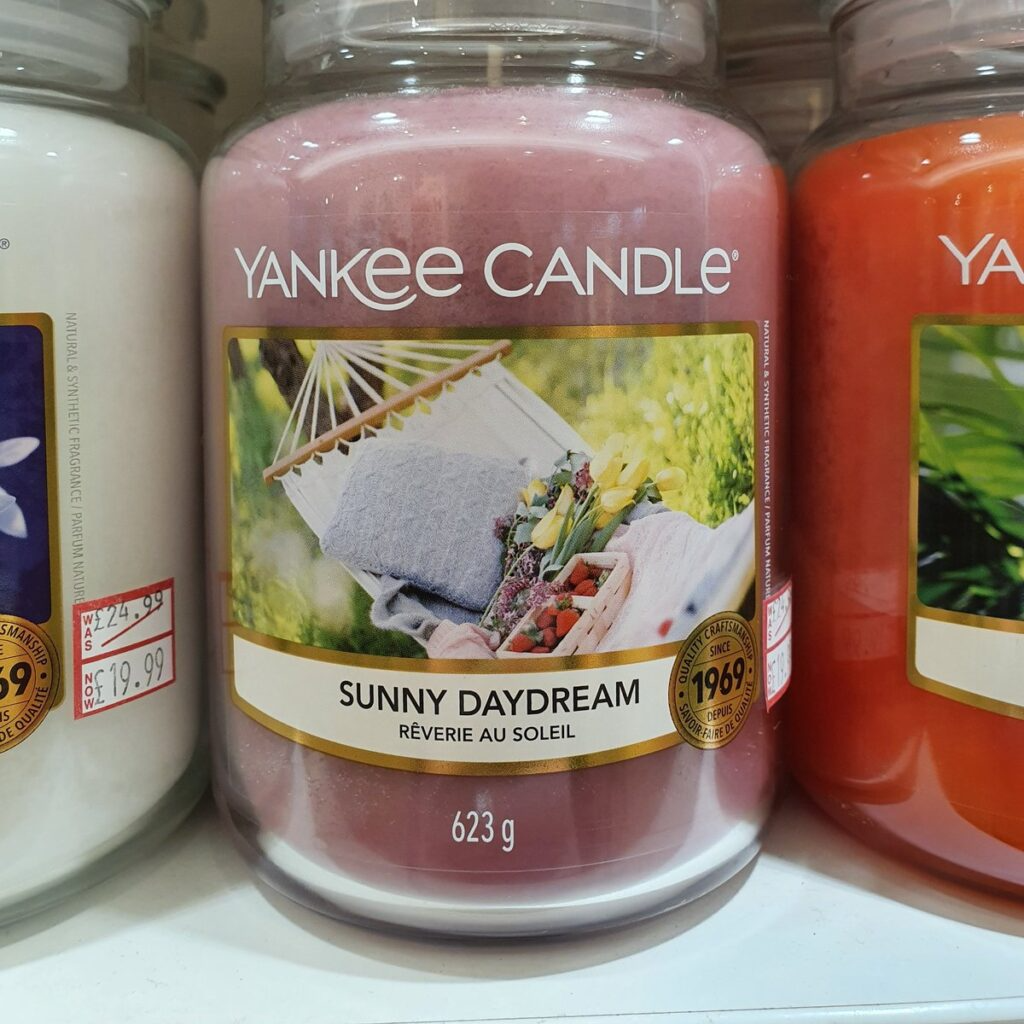
Sunny Daydream Scented Yankee Candle
Level 6
The scent represents an abstract location or experience which has some shared understanding but is ultimately fully personal. The aroma tries to replicate an idea, as opposed to a location. The Last Paradise, Wedding Day®
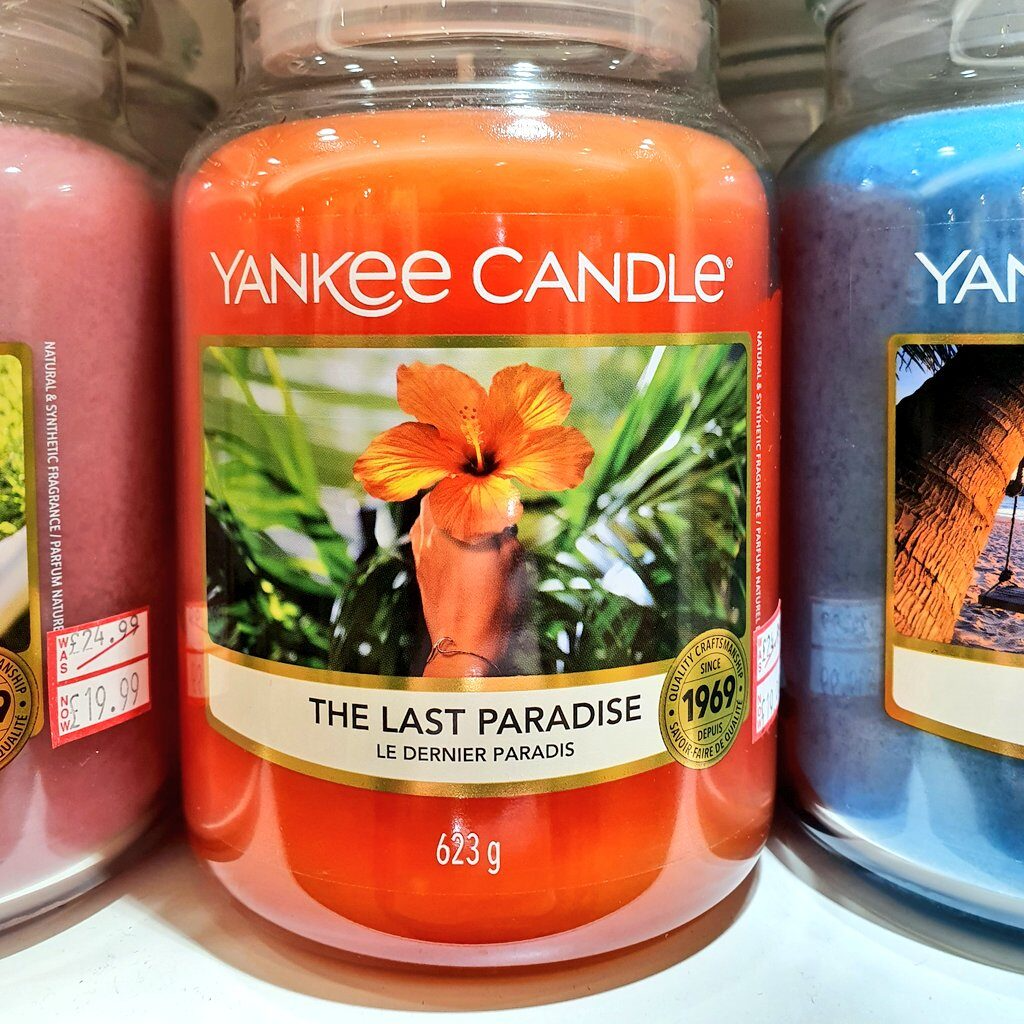
The Last Paradise Scented Yankee Candle
Level 7
The scent represents only an intrinsic property, and a property that itself has no aroma, nor does it affect the aroma of any object of which it is a property. All Is Bright, Starry Slumber
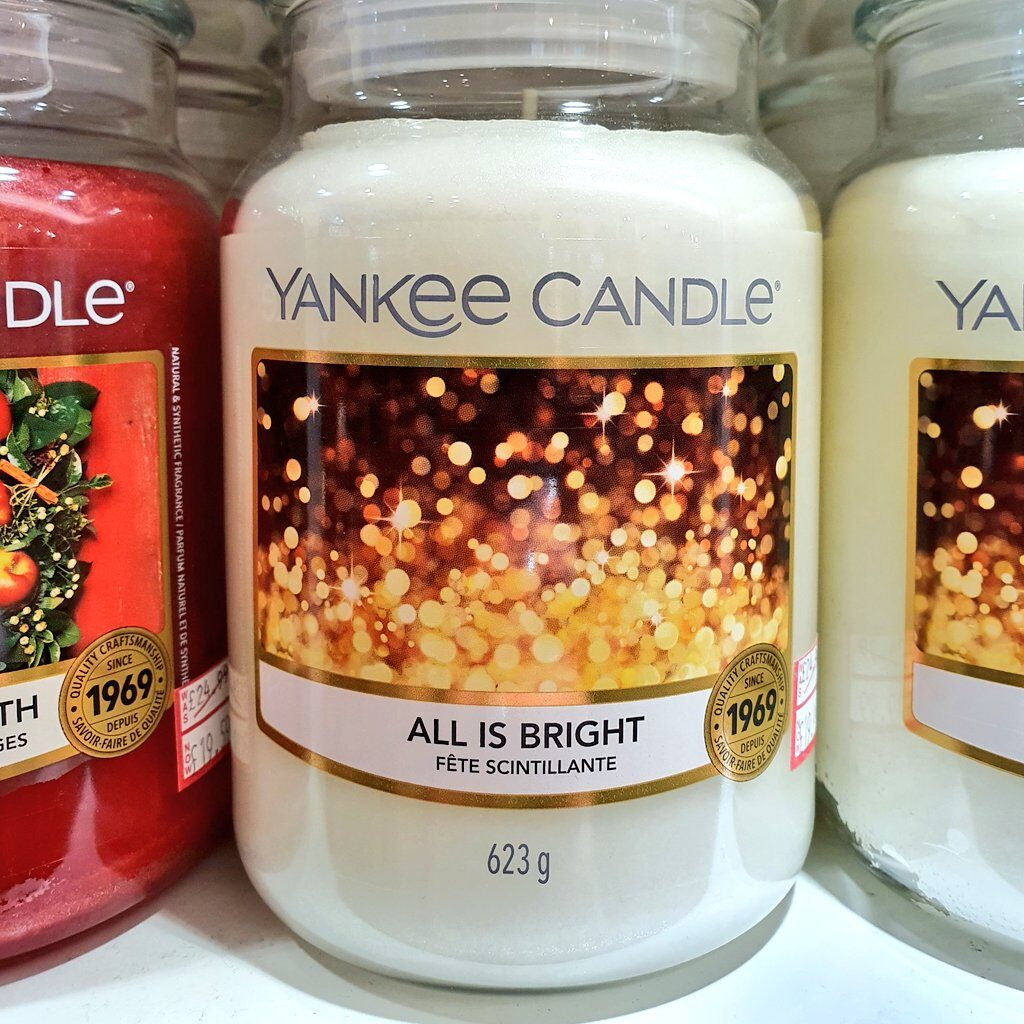
All Is Bright Scented Yankee Candle
Level Ω
The scent represents a property detached from any object, the absence of an object is in fact part of the scent. Total abstraction. Sweet Nothings, Inspire
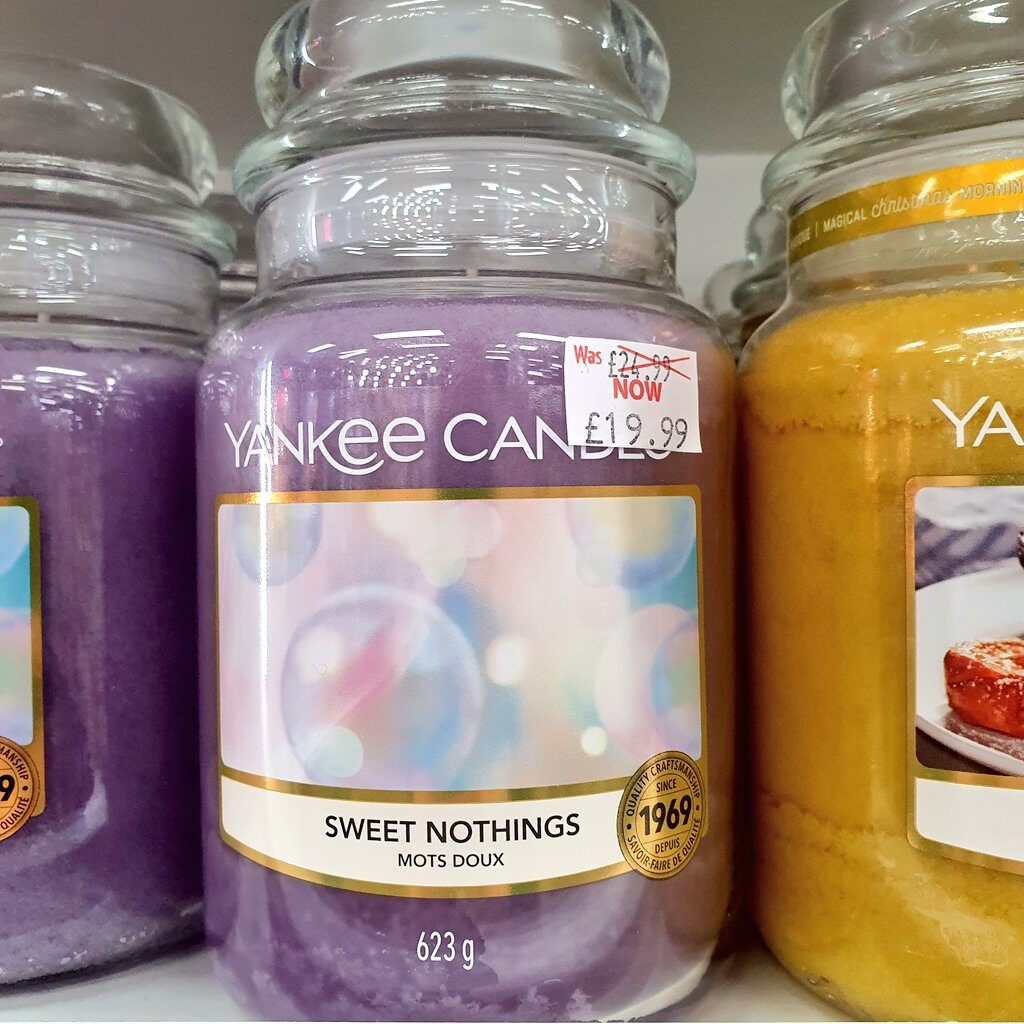
Sweet Nothings Scented Yankee Candle
Conclusion
As of writing, there are over 160 unique fragrances on the Yankee Candle Website. After a quick scan of the names, you can see they range from the ordinary: Cinnamon Stick, Fresh Cut Roses, to the abstract: Singing Carols, Wedding Day®, Over The River™, and Moonlit Cove.
It would be interesting to attempt to categorize all of the Yankee Candle fragrances and chart them by Level and frequency. 🤔 Maybe 8 levels are too fine grained and 4 would suffice for most people.
The bigger pieces that are missing are: the time axis, which of these are new/old and which are missing, and the sales/popularity data. Then we could much more easily see trends and confirm or deny that the more the abstract the name, the more it acts like a puzzle for the reader and increases their interest. The same as the Abstract Color Name research.
Do the names of fragrances share the same affects on our brain as the names of colors? Are more abstract fragrance names “better” than common, ordinary names?
List of Available Candle Fragrances
A Calm & Quiet Place
Amber & Sandalwood
Apple & Sweet Fig
Apple Pumpkin
Autumn Leaves®
Autumn Nature Walk
Autumn Wreath™
Bahama Breeze™
Balancing Sandalwood & Rose
Balsam & Cedar
Bayside Cedar
Beach Escape
Beach Walk®
Bird of Paradise
Black Cherry
Black Coconut
Black Tea & Lemon
Bunny Vanilla Cupcake
Calm Night
Cardamom Nut Muffin
Catching Rays™
Cherries On Snow™
Chocolate Advent Calendar
Christmas Cookie™
Christmas Eve®
Christmas Wish®
Ciderhouse
Cinnamon Stick
Clean Cotton®
Cliffside Sunrise
Coconut Beach
Coconut Splash
Comforting Vanilla & Honey
Coral
Cozy Cashmere & Pine
Cranberry Chutney
Crisp Campfire Apples
Crisp Fall Night
Dogwood
Dried Lavender & Oak
Energizing Grapefruit & Rosemary
Evergreen Mist
Faceted Succulent
Farm Fresh Peach
Flowing Wisteria Vines
Fresh Cut Roses
Fresh Mint
Freshly Tapped Maple
Frosty Gingerbread
Golden Autumn
Grounding Vetiver & Incense
Harmonious Neroli & Ylang
Harvest®
Holiday Hearth
Holiday Sage®
Holiday Zest
Home Sweet Home®
Honey Clementine
Honeycrisp Apple Cider
Hot Buttered Rum
Hydrangea
Iced Berry Lemonade
Inspire
Jelly Bean
Joyful Jasmine & Gardenia
Juicy Citrus & Sea Salt
Juicy Watermelon
Kitchen Spice™
Kumquat & Orange
Lakefront Lodge
Leather
Leaves
Lemon Lavender
Life’s A Breeze
Lilac Blossoms
Love is Love
MYO Box
Macintosh
Magical Frosted Forest
Majestic Mt. Fuji
Mango Ice Cream
Mango Peach Salsa
Margarita
Mediterranean Breeze
Merry Berry
MidSummer’s Night®
Midnight Jasmine
Midnight Tranquility
Midsummer’s Night
Mindful Cypress & Sage
Mistletoe™
Moonlit Cove
Mountain Lodge™
Movie Night Cocoa
New England Blueberry
New England Maple
Nostalgic Cinnamon & White Pepper
Ocean Air
Optimistic Lotus Blossom & Aloe
Over The River™
Peaceful Dreams
Peaceful Lavender & Sea Salt
Peppermint Pinwheels
Pink Cherry & Vanilla
Pink Sands™
Plumberry Crepe Cone
Praline & Birch
Pumpkin Banana Scone
Radiant Mandarin & Yuzu
Red Apple Wreath
Red Berry & Cedar
Refreshing Eucalyptus & Mint
Relaxing Orchid & Vanilla
Renewing Coconut & Iris
Revitalizing Ginger & Lemon
Reviving Pomegranate & Cedarwood
Romantic Magnolia & Lily
Sage & Citrus
Sakura Blossom Festival
Santa’s Cookies
Seaside Woods
Sicilian Lemon
Silver Birch
Silver Sage & Pine
Singing Carols
Smoked Vanilla & Cashmere
Snow Globe Wonderland
Snowflake Kisses
Soft Blanket™
Soft Wool & Amber
Soothing Oak & Patchouli
Sparkling Cinnamon
Sparkling Lemongrass
Sparkling Snow™
Spiced Pumpkin
Spooky Spider Cider
Spun Sugar Flurries
Starry Slumber
Strawberry Bunny Shortcake
Sugared Apple
Sugared Cinnamon Apple
Sun & Sand®
Sunlit Autumn
Sweet Plum Sake
Tangerine & Vanilla
Tranquil Garden
Tree Farm Festival
Tropical Breeze
Tropical Starfruit
Twinkling Lights
Vanilla Crème Brûlée
Vanilla Cupcake
Warm Luxe Cashmere
Warming Pumpkin & Vines
Watering Can
Wedding Day®
Whipped Pumpkin Spice
White Spruce & Grapefruit
White Strawberry Bellini
Wild Orchid
Williamsburg Pineapple
Winter Night Stars
Witches’ Brew®
Woodland Road Trip
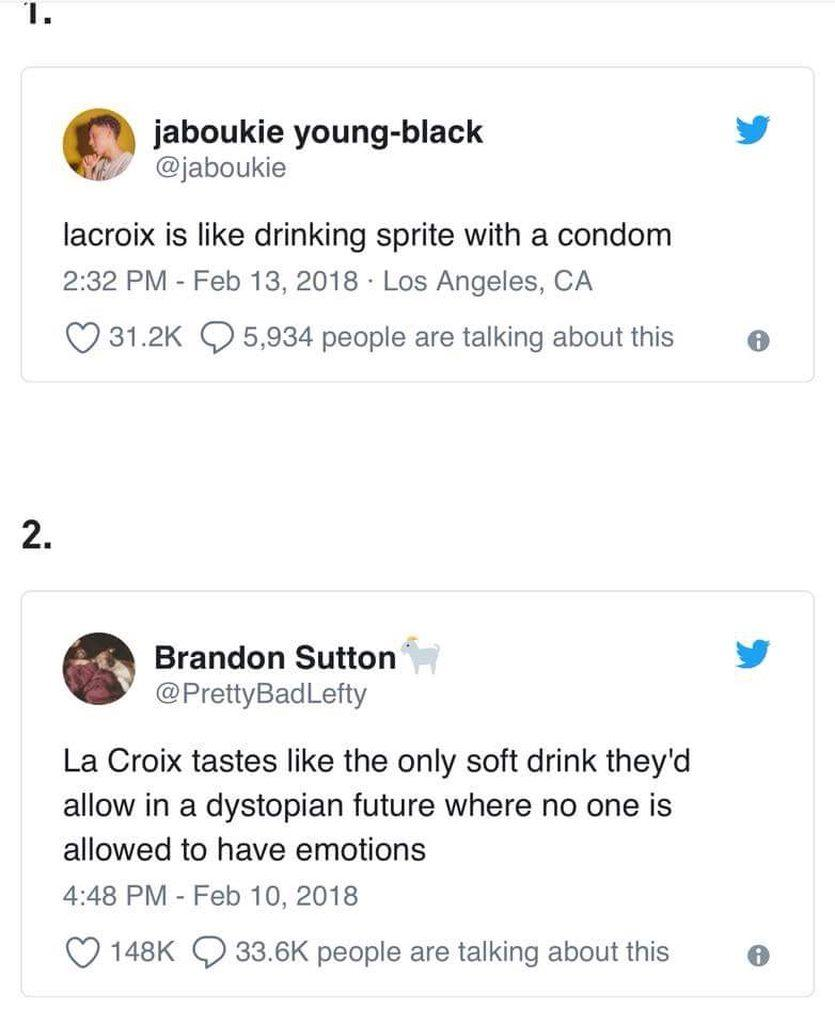
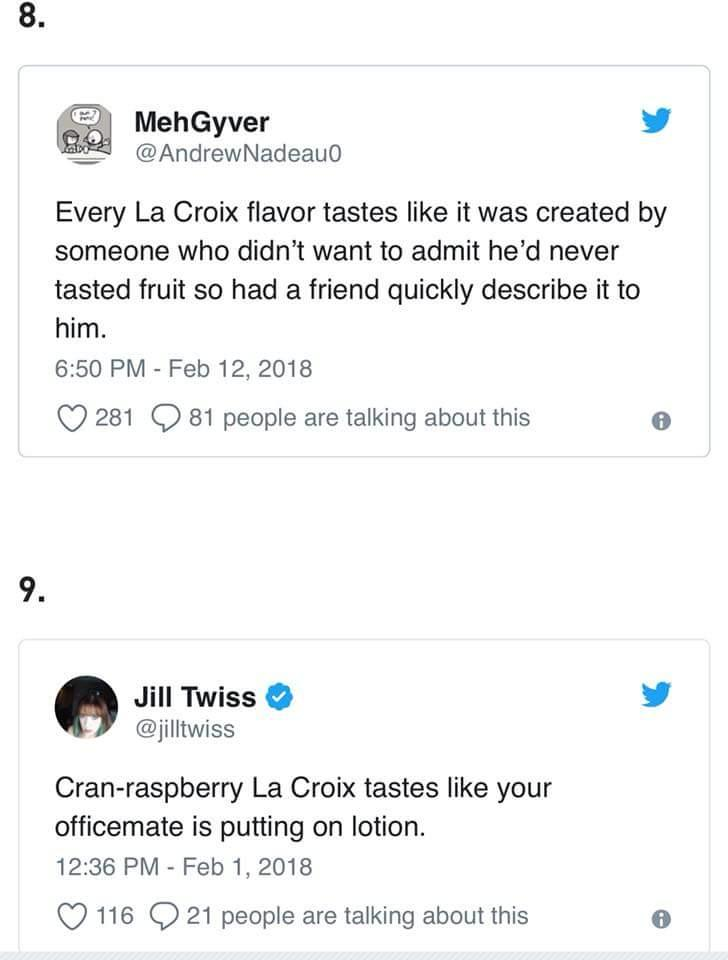
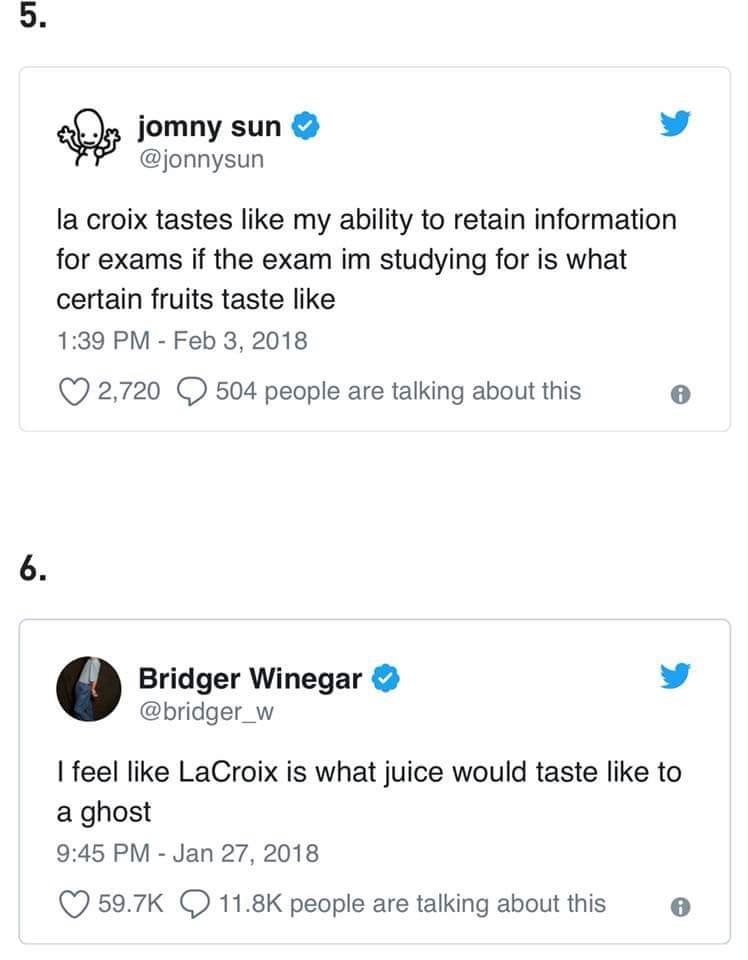
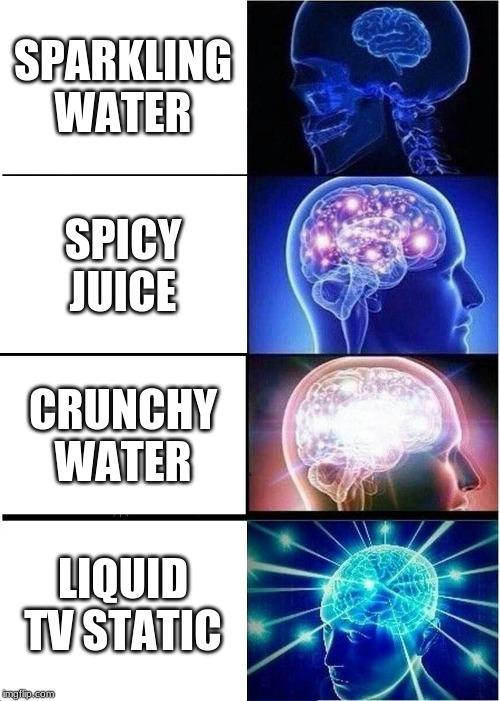
LaCroix stages of abstraction
LaCroix's new Sunshine flavor goes conceptual in a world of literalism.
Emily Jensen; Apr 05, 2025
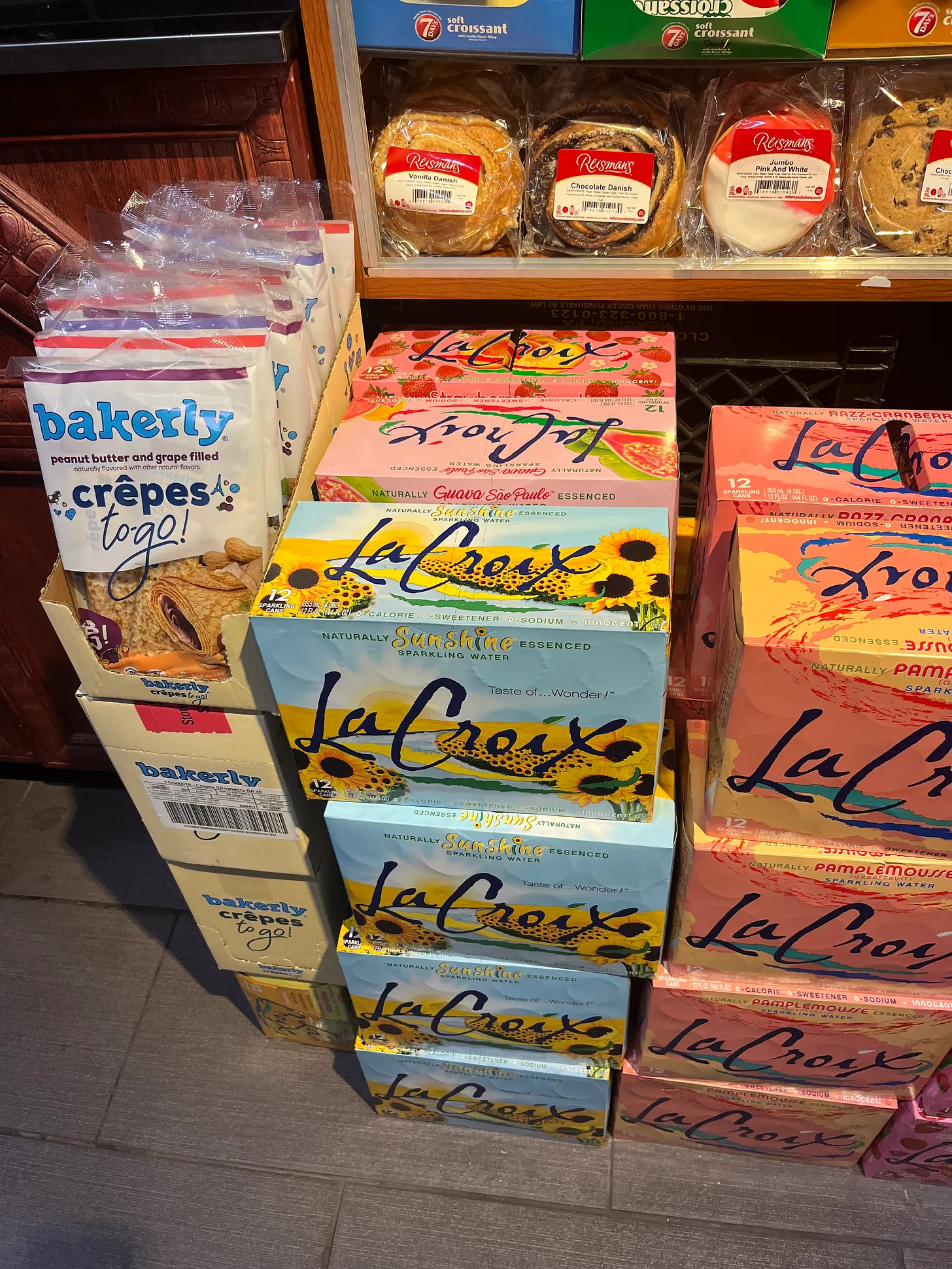
I was picking up a few snacks while on my way to a friend’s place for dinner when I stopped to browse the stacks of LaCroix customary to most New York bodegas and grocery stores. I saw the usual suspects like Pamplemousse and Razz-cranberry, but I also saw a flavor, and concept, totally new to me in the world of LaCroix: Sunshine.
“What in the world does sunshine taste like?” I had to know, and the tagline of “Taste of … Wonder” did nothing to help. I did not buy the case because I did not want to lug it all the way to my friend’s place, and, perhaps selfishly, I wanted to return to have the mysterious box of sunshine-flavored water all to myself. But in seeing those cases of LaCroix with their Windows XP-esque design of rolling hills of sunflowers, my mind immediately went to a, in my opinion, classic Twitter thread: Yankee Candle’s Stages of Abstraction.
By Alex McMillan’s taxonomy, you can divide Yankee Candles into levels of abstraction starting with Level 1, home to the most straightforward of candles like Black Cherry, where “the scent represents a physical object where the object's aroma is one of its distinct properties.” By my understanding, LaCroix Sunshine would sit at Level 4, where “the scent represents an event with an intrinsic property. This temporal aroma is devoid of location or physical property, but a shared idea of the property is still understood.” An example of this on the Yankee Candle scale is Autumn Sunset. We can mostly agree on what sunshine is or what it conjures, but it is not tied to any tactile scent or specific place.
Sunshine feels like a radical development in the world of LaCroix, the omnipresent canned sparkling water brand, where, by my estimation, almost all flavors sit at the more literal Level 1. Think classics like Coconut (a polemical flavor and personal favorite), or Tangerine, or even the more creatively named Guava São Paulo or Pastèque, a.k.a. watermelon (LaCroix is very international).
I was surprised by this move towards the abstract as the world of fine fragrance, that is perfumes and candles, is going in the opposite direction, to an increasingly literal interpretation of the world around us. And specifically, literal interpretations of food, as seen in the booming gourmand perfume family.
This type of scent has always existed, or least since 1992 when Mugler Angel busted on the scene as the first gourmand perfume. But gourmands have reached new levels of popularity and innovation in recent years thanks to likes of D.S. & Durga Pistachio, which was launched in 2022 as a limited-edition one-off and became a surprise hit. Now, off-beat but recognizeable gourmand scents are the name of the game: DedCool Mochi Milk, Phlur’s Heavy Cream body splash, Ellis Brooklyn Guava Granita, all these scents launched in the last few months. You see this not just in mass but in the niche world too, among new perfumes like Rhubarb & Custard 1:29 by 4160 Tuesdays and Lilac Brûlée by Fzotic (both of which I want to try). The indie d.grayi brand is made up of all kinds of flavors from an Asian grocery store like Pandan and White Rabbit. The literalness is part of the appeal, I want to try them just to see how well they replicate a White Rabbit candy or a rhubarb and custard tart.
This change is notable as, for the past few decades, fragrance marketing has been driven by a sense of fantasy, with more conceptual ideas like Calvin Klein Obsession or Dior Sauvage driving much of the market. Even campaigns for the sugary Mugler Angel were selling extraterrestial glamour rather than the smell of cacao and caramel. But the marketing of those fragrances, with their much-parodied nonsensical, sex-driven and celebrity-backed ads, feels old fashioned today.

You can call old perfume ads silly, but it’s hard to argue with their glamour, like Jerry Hall in an early Angel campaign.
At the presentation of a NielsenIQ report on the fragrance market this past week, I learned that perfume brands stocked at Sephora are asked to populate their product pages with straightforward images of the notes promised in their scents: i.e., if you’re selling a strawberry scent, you better have some big ass photos of strawberries on there because no one is going to read the description to learn it contains said strawberry notes. And you see this before you even click into a product page: on the online fragrance shelf on Sephora.com, the names of the products themselves list a few standout notes. If consumers don’t know exactly what you’re promising, they’re going to scroll on by rather than click to find out.
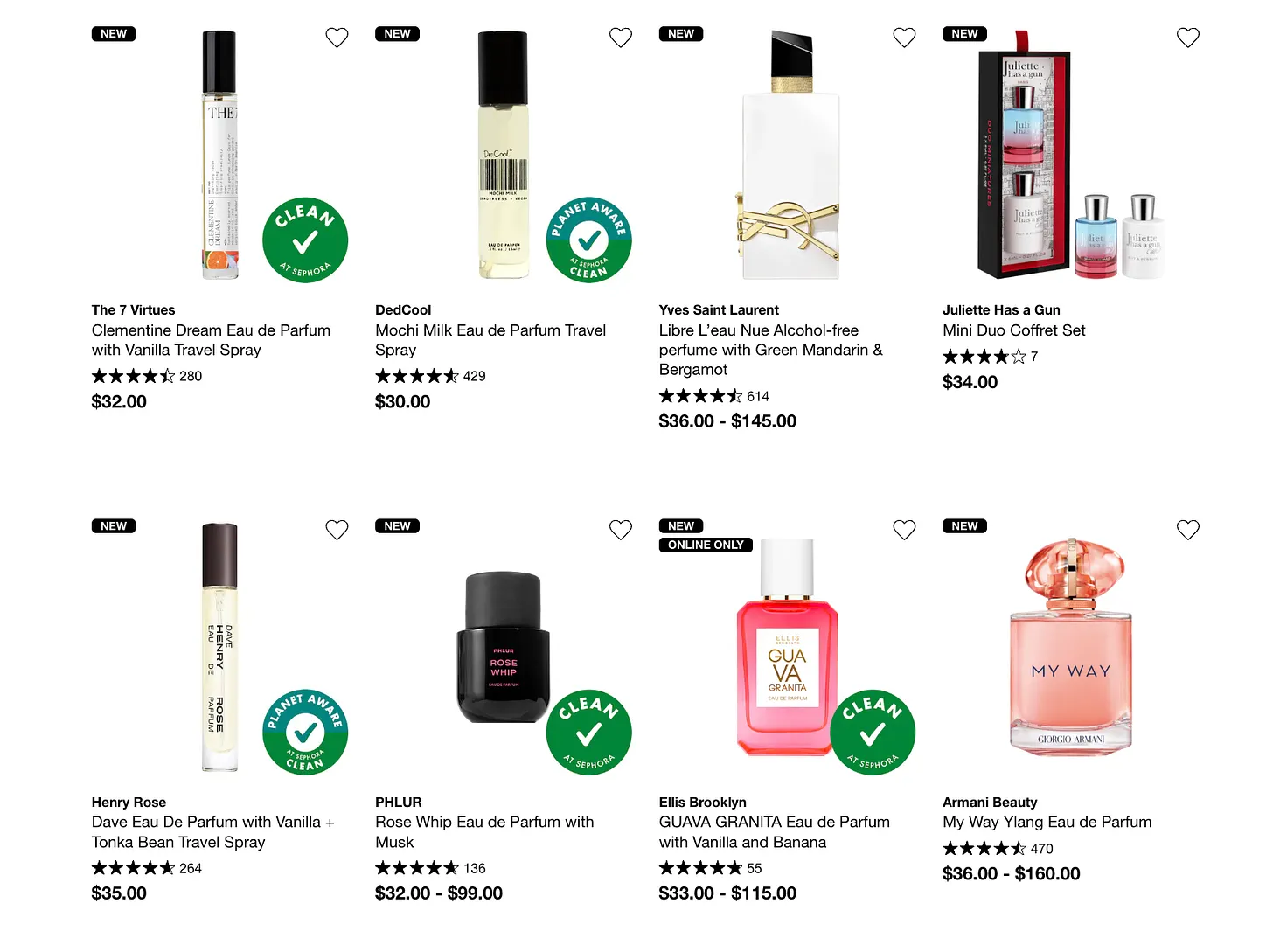
Given the plethora of options on the fragrance market, this makes sense. There are so many launches today that we don’t have time to sit and imagine what a perfume named “My Way” is supposed to smell like. And if you’re gonna lead with your literal scent profile, you better be able to call out something recognizeable like vanilla and not some esoteric nonsense like galbanum (an underrated note, perhaps because few know what it even is).
I also can’t help but think this these fragrances appeal to a generation raised on symbolic representations of food. Gen Z might be too young to remember the Yoplait phenomena of the early 2000s that claimed to offer diet versions of desserts like key lime pie in low-fat yogurt form, but they were kids during the frozen yogurt craze of the mid-2000s. That was when we went to eat versions of desserts like tiramisu and Boston cream pie and raspberry cheesecake liquefied and then repackaged and swirled in frozen yogurt form. They were an idea of popular, recognizeable desserts reduced only to their flavor profile, devoid of the texture or nuances of the actual thing. (I’m not gonna lie, I miss my local Yogurt Land when you could get a pile of DIY fro-yo and toppings for $5).
And there is something exciting about tasting a homogenous goo labeled Oreo and realizing it actually does taste like Oreo (there is a fantastic 2018 New York Times piece on the lengths Japanese Kit Kat makers go to capture flavors like shingen mochi in Kit Kat form). But I think we also like these things in part because eating a dessert-flavored yogurt is more efficient than eating actual dessert, both for our lifestyles and our diets. And maybe we like our beauty products, like perfume, to smell like heavy cream and banana pudding because we’re afraid to eat actual food of such decadence.
Which brings me back to flavored sparkling waters. Apparently Coca Cola is rather threatened by the way seltzers and alternative sodas like Poppi and Olipop have threatened their market share, so much so they’ve launched their own prebiotic soda brand. I’m not much of a prebiotic soda fan, but the last time I looked at the Olipop aisle most of their flavors were reinterpretations of classic soda flavors like cream soda or riffs on Mountain Dew or Dr. Pepper. Why would you drink teeth-rotting Coca Cola when you can have one of those? While I never loved Coke, I am a fan of and impressed with the accuracy in cola-flavored seltzers from Hal’s and LaCroix.
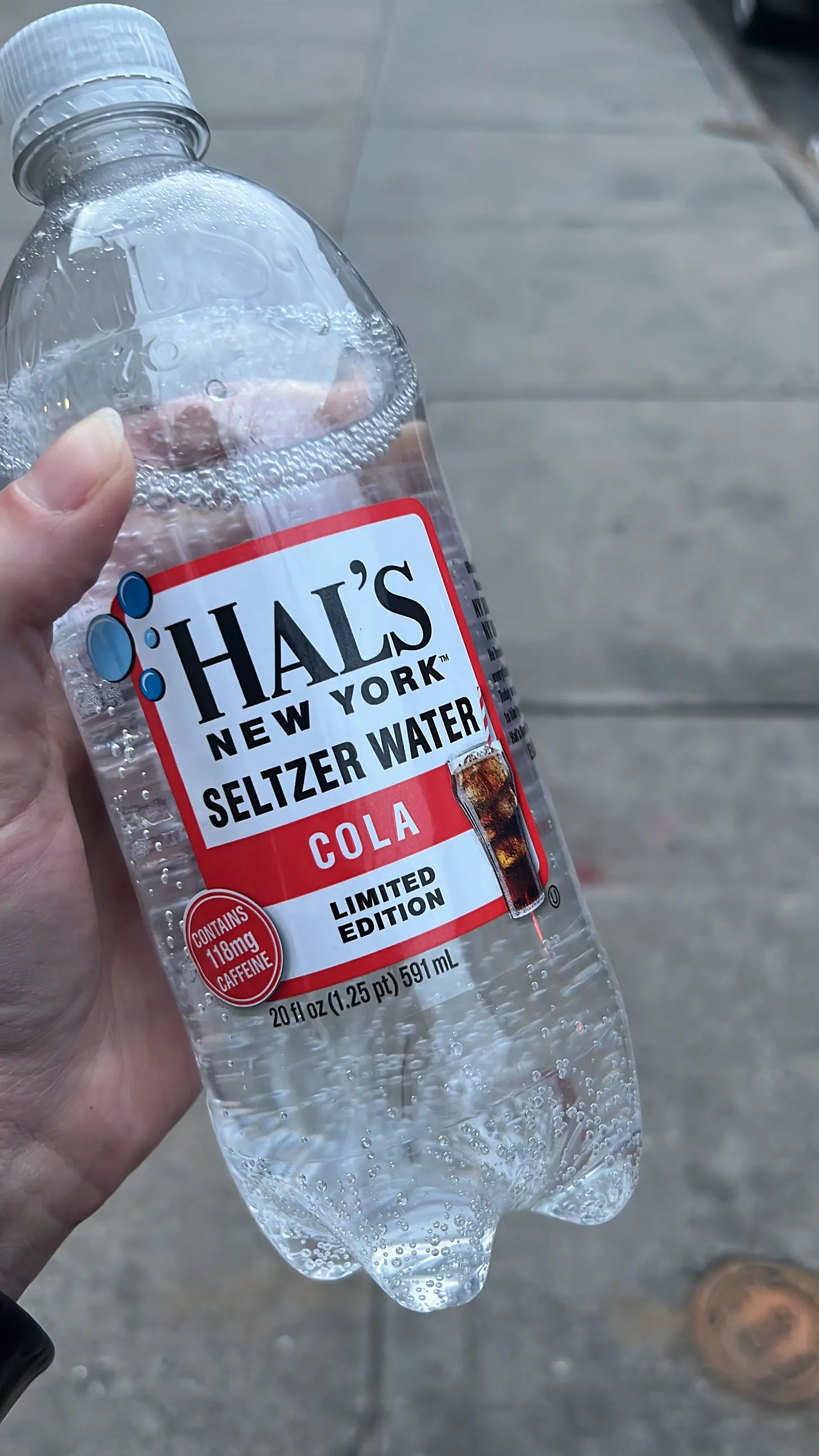
I bought this and started chugging it at 7pm before realizing it contains caffeine, which is not what I expected from a sparkling water. It was delicious though!
LaCroix gets some criticism for being absurdly mild in flavor (I once read lemon LaCroix described as tasting like drinking a sparkling water while there is a lemon in the other room). I do think Spindrift, which contains actual fruit juice, is superior. But there’s only so far you can get with actual flavors.
I went back to buy the LaCroix Sunshine. I am still working my way through the case, trying to determine the flavor. LaCroix describes it as “a bright and sparkling blend of citrus and tropical zest, capturing the refreshing essence of a sun-kissed day in every sip.” It tastes like something I had in childhood that I can’t quite put my finger on; it conjures the taste of a lemon-lime or lemongrass gummy, juicy and citric but not tart. Like sunshine, maybe you’ll know it when you feel it.
Director portfolio here: https://www.spielbergs.video/

Photograph by Vadym Drobot / Alamy
Re: Sweat Nothing’s 2018 Deodorant Scents (for Men and Women)
Sophie Kohn; Sep 26, 2017
To: Guy Moreman, Head of Men’s Deodorants
Sweat Nothings, Ltd.
From: Petal Jenkins, Head of Women’s Deodorants
Sweat Nothings, Ltd.Guy,Just touching base before we submit our 2018 scent pitches to Corporate tomorrow. How are you doing over in Men’s? Hope you guys had a productive team retreat at the axe-throwing workshop inside an F-35B fighter jet hovering over a glacial crevasse.
Here in Women’s, we’ve decided for the hundred and seventy-fourth consecutive year to run with the theme of “anxiety and/or shame about sweating.” Would love your thoughts on our new lineup of scents:
Whispered Ginger Promises
Giggling Lavender Branches Signing Up for Candlelit Pilates
Newborn Goslings Exchanging Dieting Tips
Zooey Deschanel’s Tender Feelings Toward Her Ukulele
Best,
Petal
To: Petal Jenkins
From: Guy MoremanPetal,Great ideas.
Once again, Men’s is working with the theme “anxiety and/or shame about using toiletries.” Think Corporate will be pleased with our new scents:
Five Billion Erupting Volcanoes Watching N.F.L. in an Ocean of Death
I Own a Truck
Four Toolboxes Fucking
Successful C.E.O.s Doing CrossFit Around an Enormous Fire Pit for Some Reason
As I mentioned in the kitchenette yesterday while grilling my leftover bison kebabs, these products all incorporate our brand-new DangerSwipe™ technology.
Oh, and they all feature convenient teeth grooves, so a bro can pick the thing up with his mouth. We just assume that at any given moment our customers are using one hand to casually hold a grizzly bear’s jaw shut and the other to expertly dribble a basketball. You know how it is.
Thoughts?
Guy
To: Guy Moreman
From: Petal Jenkins
Wow. Powerful stuff.
It’s gonna be a late night getting this presentation ready. God, sometimes I just want to tell Corporate that the next big thing in women’s deodorant is a straight-up bathtub caulking gun. (Pink, obviously.) That way, we can all permanently seal up our unspeakably offensive sweat glands and call it a day.
Sorry to vent. I’m just tired, and I wish these lilac Provence meadows would go mango-caress someone else’s vanilla temptation.
You know?
Petal
To: Petal Jenkins
From: Guy Moreman
Absolutely. Last year, Corporate said my lineup wasn’t manly enough. To quote their notes, I “failed to inspire all-consuming visions of a five-thousand-square-mile Antarctic ice shelf breaking off in slow motion and plunging into a frigid, unforgiving sea of rabid masculinity.”
At the rate men’s deodorant scents are going, I wonder if I should walk into the boardroom tomorrow, cut to the chase, and pitch the inevitable: A Mason Jar of Testosterone You Just Punch into Your Armpits.
Basically, it would be a Mason jar of testosterone you just punch into your armpits.
Regards,
Guy
To: Guy Moreman
From: Petal Jenkins
Punching’s great, but I doubt you’ll beat us this year in application-technique innovation: open any 2018 women’s deodorant stick, and a tiny, inquisitive kitten named Brunch will gently sigh the product onto your armpit region.
Cute, right?!
Petal
To: Petal Jenkins
From: Guy Moreman
Damn it. Kitten is solid.
O.K. It’s 1:30 A.M. and this prototype scent isn’t going to test itself. Need a break? Want to meet downstairs, head to a random abandoned warehouse, and watch me bench-press a Chevy Silverado in a ripped tank top as a raging thunderstorm shatters the mud-splashed windows?
Hope so,
Guy
To: Guy Moreman
From: Petal Jenkins
Perfect. I’ve got a prototype to test, too—Hawaiian Breeze Flirting Outrageously with a Summer Peach That’s Still Single at Thirty, Oh, No.
I’ll sit beside you in the warehouse and compliment your triceps with escalating intensity until I’ve worked up a sweat. See you downstairs in five.
;)
Petal
Source: https://www.image.ie/style/beauty/buying-beauty-a-mens-vs-a-womens-perspective-140300
(Or wherever they took it from)
Buying Beauty: A Men’s vs a Women’s Perspective
Aisling Keenan; Jan 25, 2019
When it comes to product names, beauty buying is hilariously different for men and for women. Surely skin is skin, hair is hair and deodorant serves the same purpose for both sexes?
Well no, actually, because for men, everything seems to have to feel dangerous, exciting and exhilarating and women apparently only want to be soothed, calmed and pleasured. Grains of salt poised and ready, please.
It’s true, the beauty industry has made some pretty funny, sweeping decisions about what men and women want from their beauty packaging. And what if you don’t particularly identify with either set of messaging, or indeed with either gender. I’m not attempting to validate these generalisations here, or change them in any way – they are what they are – but I just find it really entertaining. This tweet was the first time I really took notice of it:
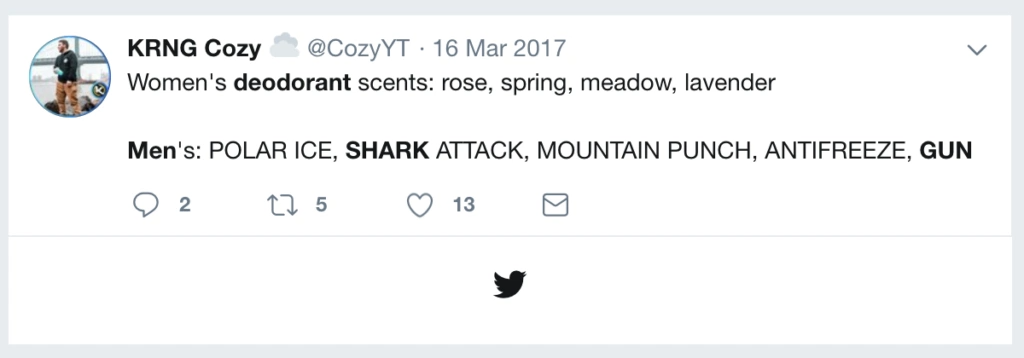
Sure, women are typically more ‘into’ beauty and skincare and haircare as a general rule, so shops naturally devote much more shelf space to the female of the species. But we’re also, overwhelmingly, given bright, colourful (often pink) products with softer names, inoffensive messaging and more reference to scent and experience.
Men, however, seem to be given products almost exclusively in black, blue or navy with little reference to scent and more of a focus on numbers, stats and double-jobbing products to make their grooming lives EVEN easier.
DANGER DEODORANT
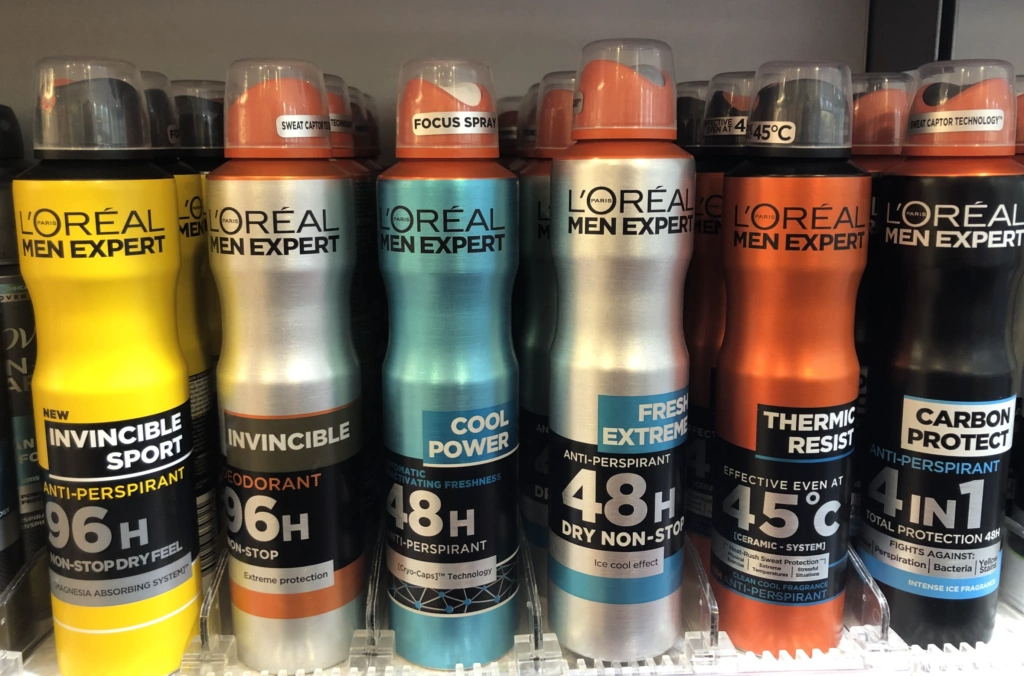
Let’s take, say, deodorant. Men are offered power, invincibility, THERMIC resistance and CARBON protection. Giant numbers state just how effective it is, there’s block lettering and phrases like “Fights against” and “Extreme protection” and words like “technology” and “system” – because obviously, men like things to be aggressive and statistical and PROVEN.
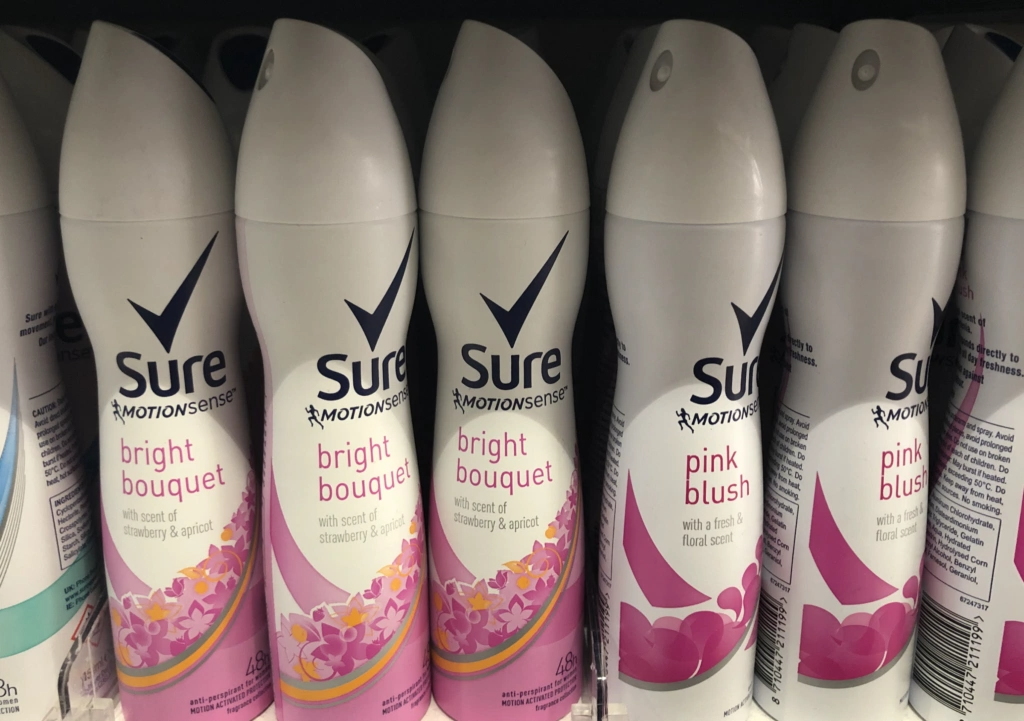
And then you have the women’s selection. You have ‘bright bouquet’ which is described as having ‘scent of strawberry and apricot’ because goodness knows – MEN couldn’t possibly favour an apricot-scented underarm. And women absolutely do not need to be made feel invincible while using their anti-perspirant. Nor do we need our carbon protected. Do we?!
HAIR TODAY
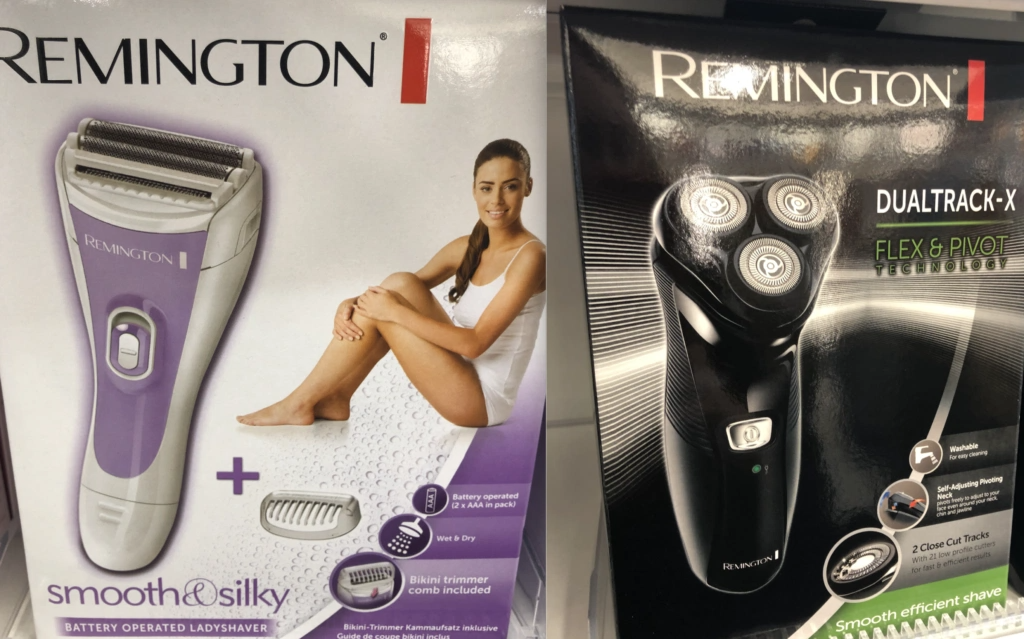
Then there’s the area of hair removal. Men can go shopping for a Remington Dualtrack X Flex and Pivot Technology. Sounds TRICKY and a bit dangerous and wild and effective. Meanwhile, the Remington Smooth & Silky Battery Operated Ladyshaver sounds like a gentle breeze flowing through the soft downy hair on your legs. And, aren’t we #blessed, it’s battery operated. We don’t need no stinkin’ cables!
LORD SHAVE ME
And as for regular razors? The differences are hilarious. Here, the guys are presented with MACH III and Fusion 5, Pro Glide – which, let’s be honest, sound like models of aeroplane from Top Gun or maybe weapons of some sort. And for the ladies?! Venus Embrace, and the gentlest of all… the Swirl.
I don’t know about you, but shaving my legs, pits and bikini line has never, ever felt anything remotely like a swirling embrace to me. Mind you, I doubt Gillette users (controversial at the mo!) are cutting tiny slices out of their faces thinking – I bet this is what flying a fighter jet feels like.
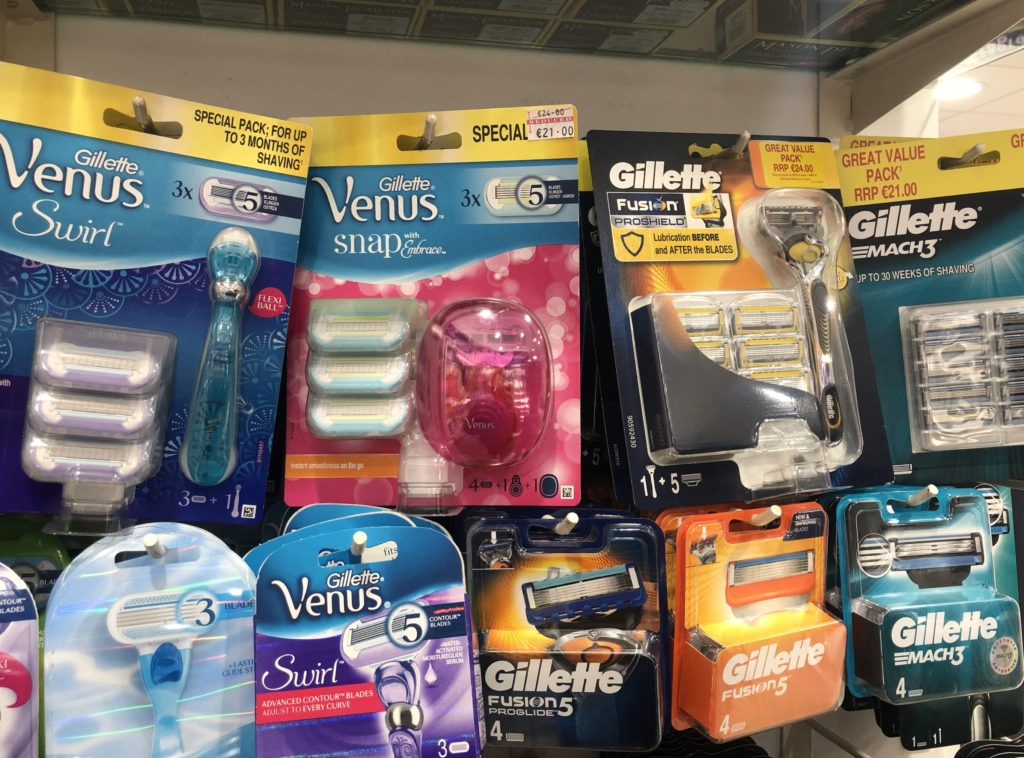
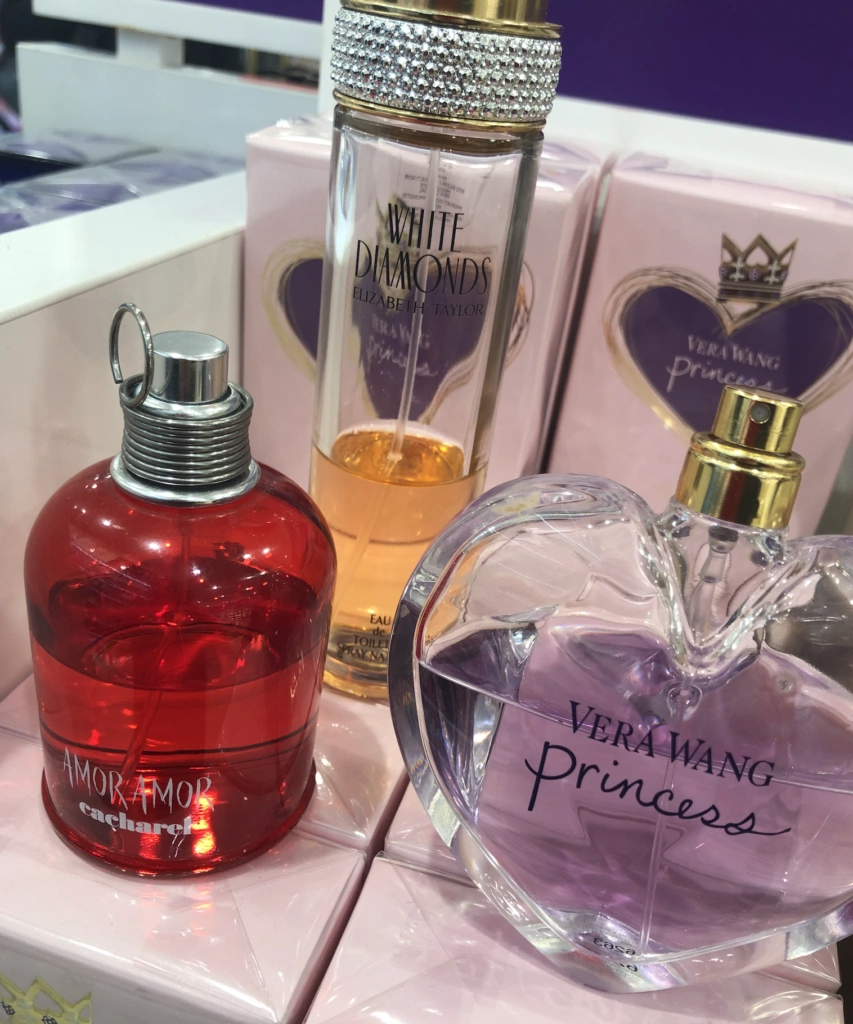
And finally, I observed the absolutely hilarious world of fragrance. Let’s compare lists here, and see – just for the craic – if you can guess which list of scent names belongs to which gender…
List one:
White Diamonds
Lovely
Princess
Amor Amor
Fantasy
La Vie est Belle
Nectar Love
Daisy
List two:
Adventure
Hot Water
Boss
Respect
Ultraviolet
Only the Brave
Bad
Black XS
Invictus
Intenso
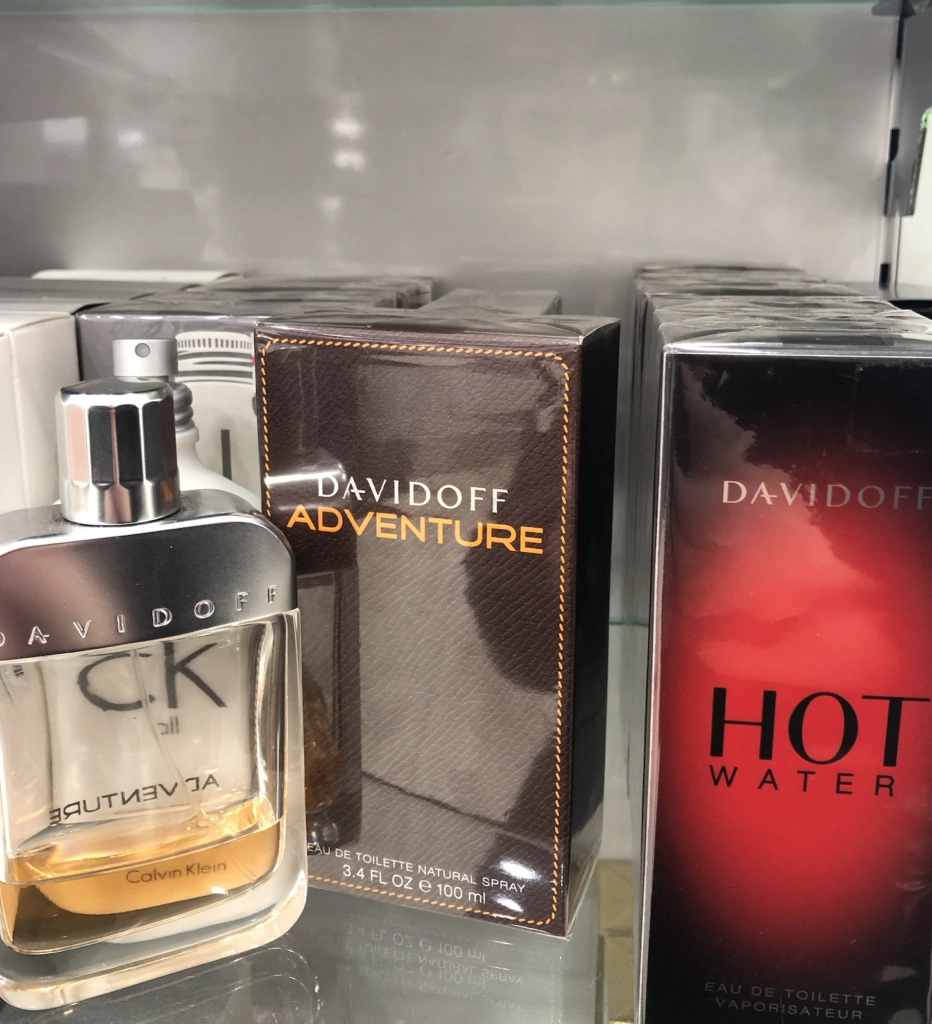
It’s actually difficult not to laugh at those lists, I think.
And it seriously makes you question the signals we’re sending to kids, teens, and ourselves about what adjectives we ‘prefer’ to see assigned to the male and female genders. Next time you’re walking around your local pharmacy or your nearest department store or branch of Boots, observe and chuckle – always remembering that no one has to let marketing norms define you or your beauty/grooming purchases.
If you would like your deodorant to actually intimidate and scare you a little with its aggressive title, more power to you. Likewise if you find shampoo intimidating and would rather it softly whisper its most fragrant ingredients to you while you listen to Enya, you do you.
Happy Friday!
Bottling Masculinity: Understanding Men’s Scents From Le Male to Axe
When did we decide that men need to smell like “cool sports rush”?
Emily Jensen; Sep 16, 2020
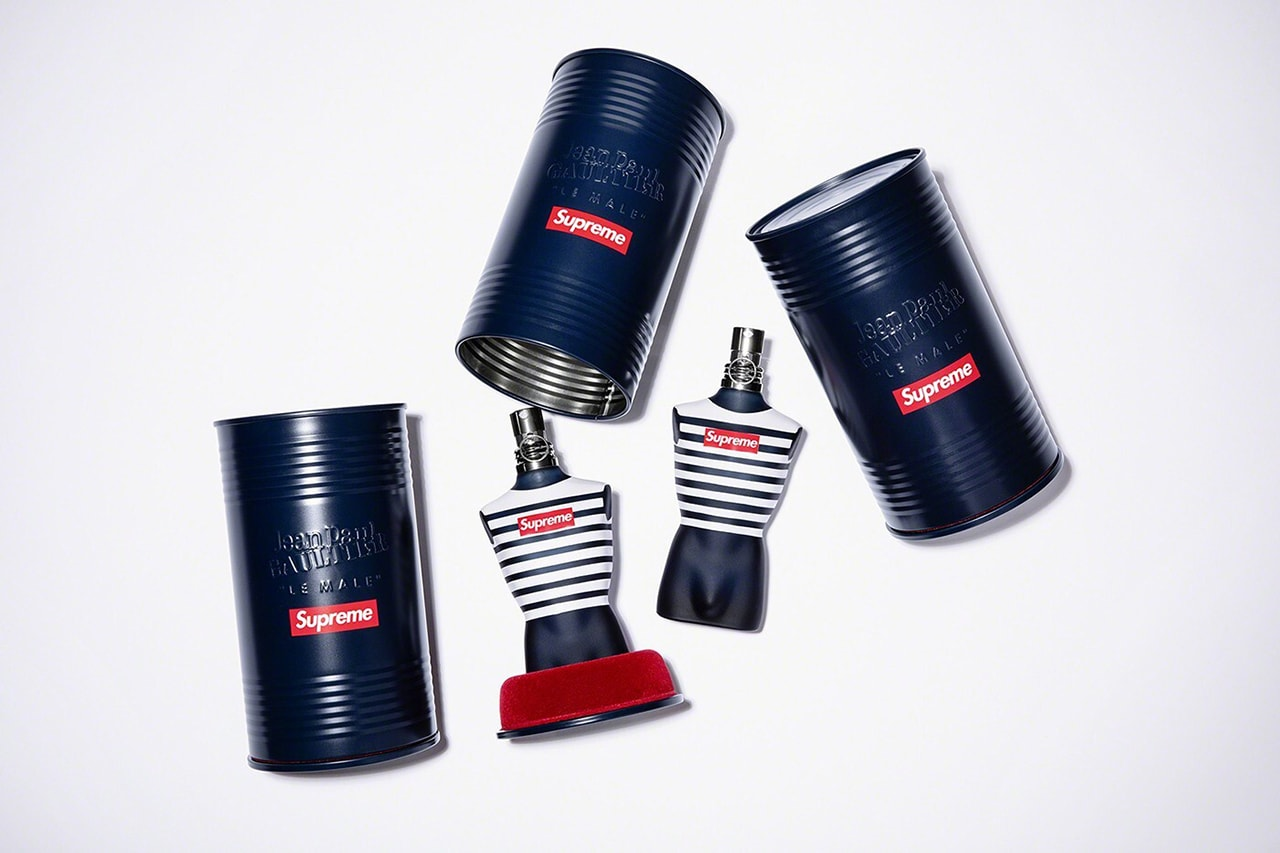
When Jean Paul Gaultier launched his Le Male perfume in 1995, the fragrance represented a daring take on masculinity for its time. The male in question is an object of campy eroticism, thanks in large part to its bottle: a headless torso decked in JPG’s signature marnière look with ambitious nether regions (no Ken doll groin here, thank you). Its advertising was, appropriately, cartoonishly hypersexual, selling both Le Male’s allure to women and a homoerotic sailor fantasy.
Does the actual scent of Le Male capture a decidedly male essence? That depends what you think a man should smell like. There is no scent or note that is inherently masculine or feminine, and our conception of what smells are appropriate for men versus women is more dependent on changing cultural norms than a fixed standard.
But gender can be a crucial overlay that brands can play with to tell a particular story or reach a particular market. Sometimes that results in a blockbuster fragrance like Le Male. And sometimes it results in Yankee Candle’s 2012 Man Candle collection, which included scents like “Man Town” and “Riding Mower” that “even the manliest, masculine man will enjoy.” (Yankee Candle did not return HYPEBEAST’s request for comment.)
“People smell with their eyes and their brains before they smell with their nose.”
“People smell with their eyes and their brains before they smell with their nose. And so much of what you perceive when you smell something is driven by what you see,” fragrance developer Ann Gottlieb told HYPEBEAST. Gottlieb has worked on fragrances for almost every corner of the market, including iconic designer perfumes like Marc Jacobs’ Daisy and Calvin Klein’s CK One, and mass-market creations for brands like Victoria’s Secret.
All scented products, ranging from mass-market deodorant to high-end perfume, use names and packaging to convey a message of gendered expectations. But as notions of grooming are already feminine by default, “men’s” products often have to push their gender to the forefront to get the menfolk on board. Or, as Twitter user Ron Iver says so eloquently, “Women get to smell like real things (vanilla, lavender) but men have to smell like concepts. What the f*ck is ‘cool sport rush.’” But the concept is as much the point as the smell.
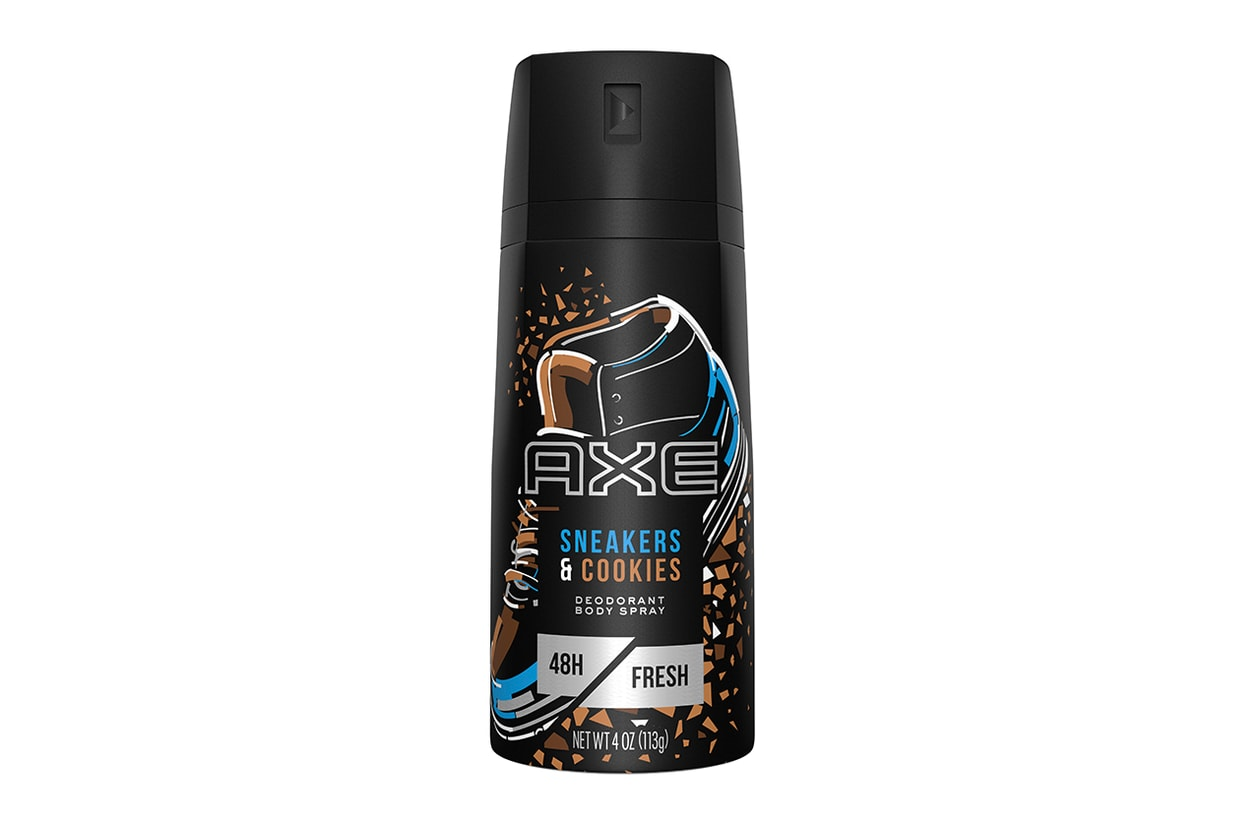
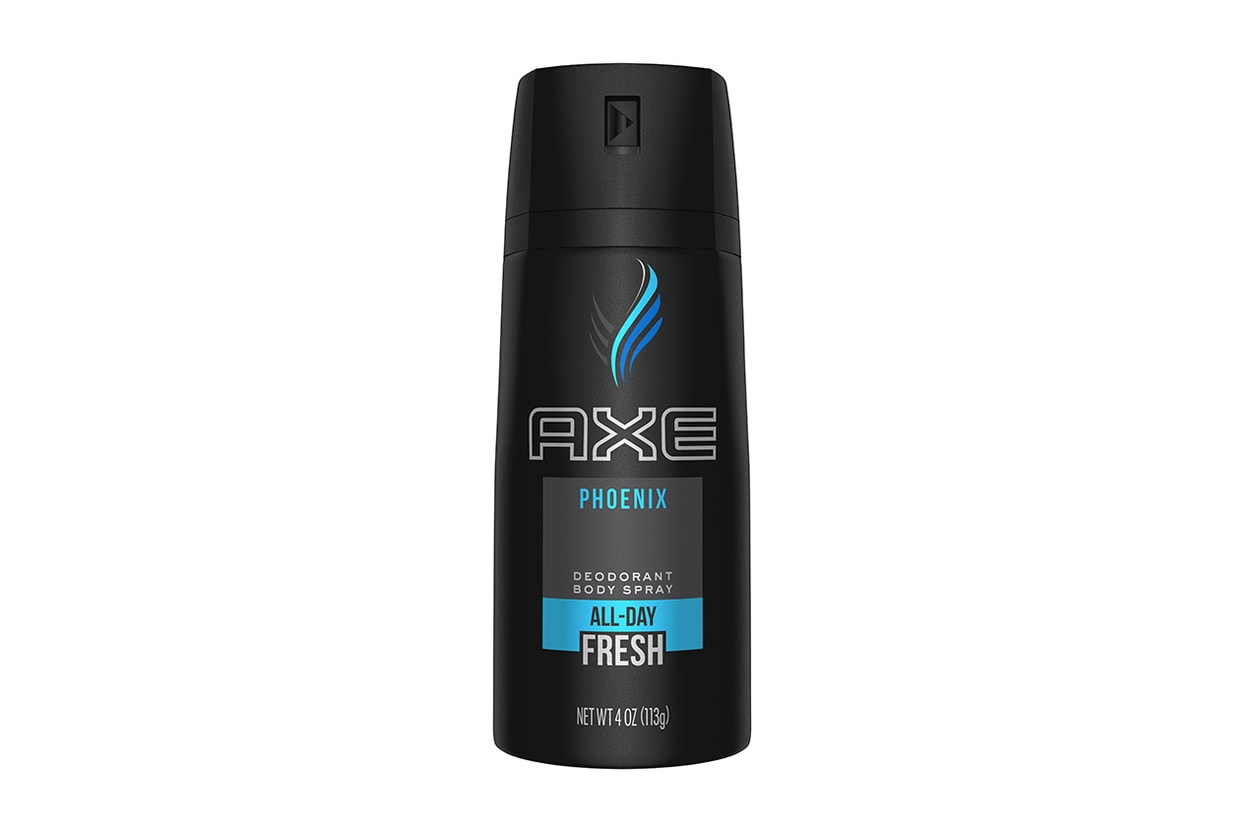
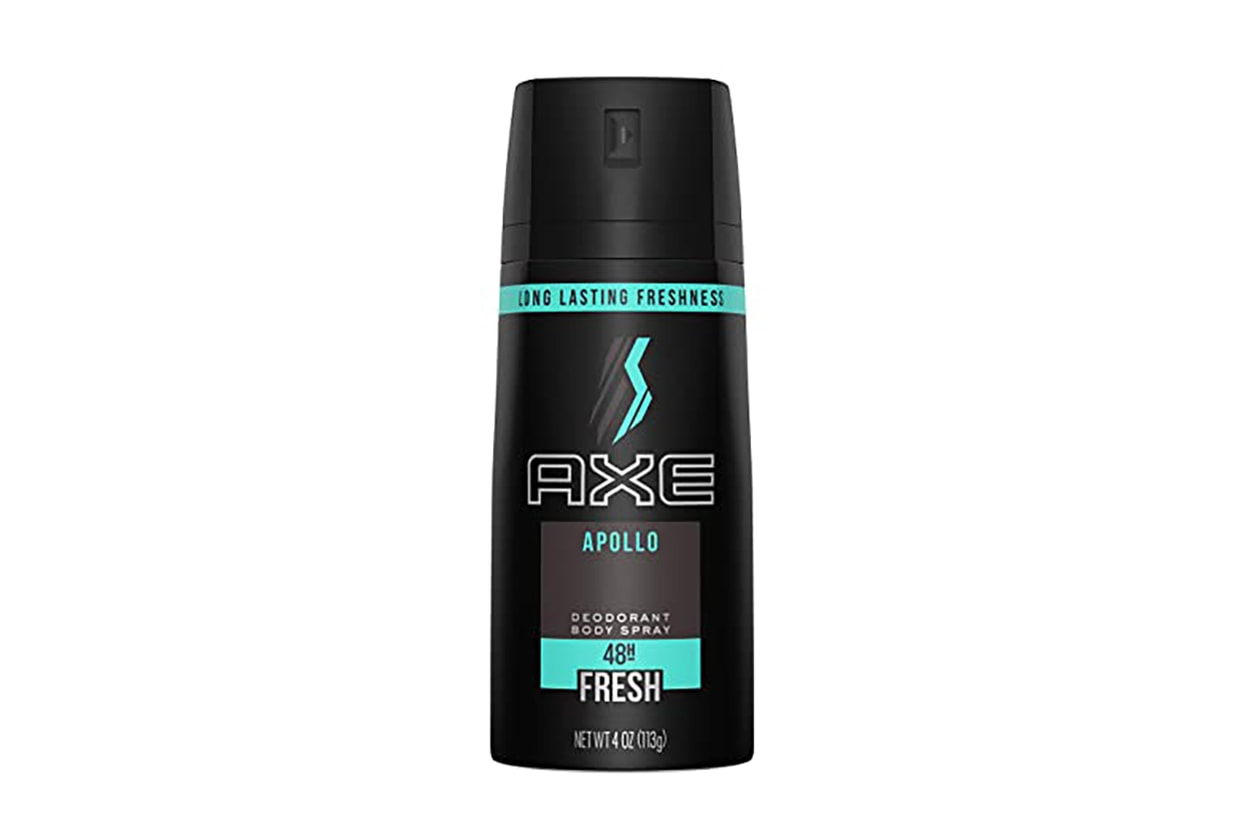
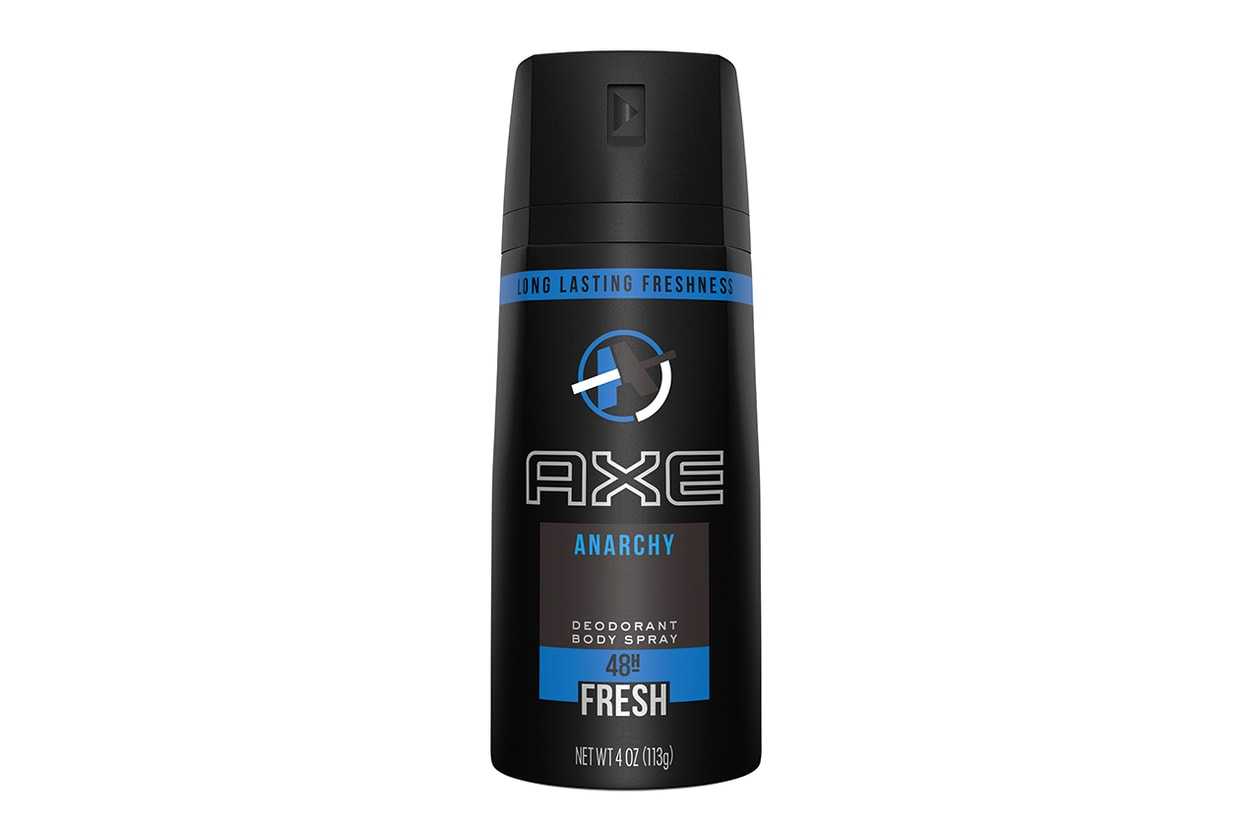
In addition to creating designer fragrances, Gottlieb has also worked extensively with Unilever, where she’s developed scents for one of the most entrenched male grooming brands out there: Axe. Axe might seem to exist in a world of its own with its infamous advertisements and association with high school locker rooms. But, as Gottlieb explains, the deodorant and grooming brand takes many of its cues from niche and high-end perfumes, and translates them into an approachable scent that feels at home in the drugstore aisle. “What has had tremendous impact on the fragrance market in general is the niche market, which is so heavy in the woody, oriental area,” she says of the evolution of male fragrances.
“Axe has always been a trickle-down concept, where all of the fragrances are based on fragrances in the men’s market,” Gottlieb adds. But Axe’s young consumers need a bit of easing into the more daring scents at the high-end of the perfume world. “The younger you are, the less you are eager to be an early adapter. So you want something that’s comfortable. Which is why as you go down from BYREDO, let’s say, to Axe, you see them getting easier and easier,” she says. And even when Axe does go for the daring concept, like its Sneakers & Cookies deodorant and body spray, Gottlieb says the mix of rubber with a baked good is safer in execution than the name would imply.
But back to Ron Iver’s question: what is cool sport rush? What does that, or the standard male smells like a prototypical Axe spray even smell like?
“There are two ingredients that are found in almost every single classic [Axe] scent. One of them is called dihydromyrcenol. And the other is called coumarin,” Gottlieb explains. “If you smelled dihydromyrcenol on its own, it would immediately take you to the men’s counter, because so many fragrances have it as a note. And the younger the consumer, the more important that those ingredients are represented, because it’s a very comfortable men’s fragrance.”
Coumarin is a sweet, warm fragrance compound sometimes used to evoke a tonka bean note, and is found in everything from Chanel’s Coco Mademoiselle to the aforementioned Le Male, and Axe’s Apollo. Dihydromyrcenol meanwhile is the more bracing citrus-like note you’re likely familiar with if you’ve smelled any popular men’s fragrance of the past few decades, like Dior Sauvage or Bleu de Chanel, or Axe’s Phoenix.
But the conception of what a comfortably male fragrance is, or the idea that scents might be marketed separately to women and men at all, is a fairly recent invention. “When you really dig into the history of gender and perfume, whether it’s men’s perfumes or women’s, it’s a history of gender fluidity no matter where you look,” explains Barbara Herman, author of Scent and Subversion: Decoding a Century of Provocative Perfume and founder of ERIS PARFUMS.
Herman says most scent historians point to Guerlain’s Jicky, an 1889 release which was one of the first fragrances to use synthetics, as the first modern perfume. Guerlain initially marketed the complex scent, with citrus notes like bergamot followed by tonka bean and an overdose of civet, to women, but it was male consumers who took to the unusual and powerful scent. “You could say it was the first gender-fluid fragrance. And then from the popularity of Jicky, Guerlain and other brands started realizing, you know, maybe we should just start making separate perfumes for men. The more you can make in different categories, the more money you can make.” Herman says.
“When you really dig into the history of gender and perfume… it’s a history of gender fluidity no matter where you look.”
Jicky’s success inspired Guerlain to launch Mouchoir de Monsieur in 1904, this time marketed explicitly to men. The inspiration for the scent (whose name translates loosely to “Mister’s Handkerchief”) was the 18th or 19th century dandy figure, who typically sprayed his handkerchiefs with perfume, somewhat the equivalent of the modern idea of a metrosexual. “This was somebody who put a lot of importance in clothes and perfume, and the way they looked and aesthetics,” Herman says. “So one of the first masculine fragrances on the market was inspired by kind of a queer figure.”
And it wasn’t only men’s scents of the early 20th century that challenged modern gender notions. Take Chanel’s powerful leathery scent Cuir de Russie, for example, which was launched in 1924 and marketed to the woman who cares more about smoking cigarettes and riding horses than seducing men (or maybe she just really likes the outdoors and hanging out with her lady friends).
Citing research from perfumer Antoine Lie, whom she works with on her ERIS line, Herman says the latter half of the 20th century saw a shift in how scents were sold to men. “There was a shift in marketing in the 20th century from fragrances for men being about aftershave and cleaning and wellness and all that, to being more marketed as a seductive thing that you could put on,” she says, noting Guerlain’s 1965 Habit Rouge, as the first oriental marketed to men, with spicy and floral notes that today are more associated with women’s fragrances.
“It’s not like they’re using notes that aren’t in women’s perfume. They’re just amping them up. And bulking them up. They’re like women’s perfumes on steroids.”
“It’s more in the ’70s and ’80s that the idea of what a macho fragrance is gets amped up and I think determines what we think of as masculine,” she says. “You get these really intense aromatic, woody, leathery, spicy fragrances, but it’s not like they’re using notes that aren’t in women’s perfume. They’re just amping them up. And bulking them up. They’re like women’s perfumes on steroids.”
That idea of powerful scents transforming men into objects of desire is still alive and well, perhaps most predominantly in Axe, whose ads often turn women into sexual pursuers driven mad by men’s overdose of fragrance (though it’s also launched ads that more explicitly challenge toxic masculinity, such as its above “is it ok for guys…” campaign). And certainly there’s no shortage of fragrance ads that turn women into the sexual pursuit, either. But there’s selling sex along a gendered divide, and then there are fragrances that take the notions of gender and sex to their most extreme and literal conclusion.
Earlier this year, Gwyneth Paltrow blessed the world with her This Smells Like My Vagina candle. Made in collaboration with perfume brand Heretic, the candle mixes floral notes like geranium and rose with bergamot and cedar. It was followed by the This Smells Like My Orgasm candle (a fruitier concoction with grapefruit and cassis) this summer, and even a This Smells Like My Vagina rollerball perfume.
But provocative names aside, Gwyneth’s candles, with their sophisticated but familiar notes of neroli or ambrette seeds, are rather tame when compared to Etat Libre D’Orange’s seminal 2006 creation: Sécrétions Magnifiques. Created by Antoine Lie, the eau de parfum aims to bottle a post-coital smell of blood-pumping adrenaline, sweat and, yes, semen. It is, as one reviewer put it, the Pink Flamingos of perfume: you love its subversive depravity or you want to wash its memory from your brain. Lie and Etat Libre D’Orange followed Sécrétions Maginifique with 2007’s Tom of Finland perfume; made in collaboration with the late artist’s foundation, the fragrance has similarly erotic inspirations though it makes male sexuality a touch more palatable, with aldehydic and leathery notes and our old friend, coumarin.
Are these scents for men? Maybe, but who cares? Niche brands like Etat Libre D’Orange are less inclined to market their products strictly by gender. But that doesn’t mean niche houses don’t use concepts of masculinity and femininity to develop their creations.
In 2017, Herman and Lie launched Mx. for ERIS PARFUMS, named for the nonbinary title. The perfume doesn’t aim to be devoid of gender, but mixes notes that play across the spectrum.
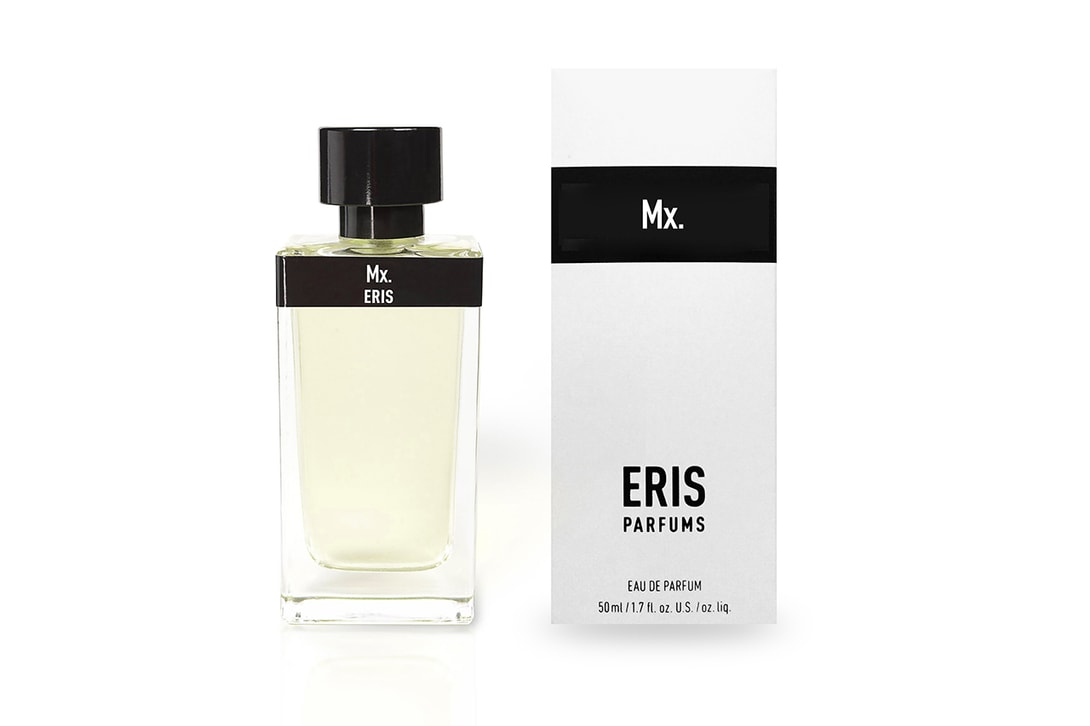
Eris Parfums
“With unisex fragrances, there’s this idea of neutrality, right, like, ‘Don’t make anything that’s too feminine or masculine,’ or that’s not coded as feminine or masculine so that anyone can wear it,” Herman explains. But Mx. uses both codes, with spicy notes like saffron and ginger with woodsy cedar and vetiver, and a touch of gourmand in the form of cacao and an animalic note of castoreum. “[There’s] the sense that it was not neutral, but playing all sides.”
But can notes coded as feminine ever cross over fully into the masculine realm? As the nose behind Jean Paul Gaultier’s Le Male, Francis Kurkdjian knows his way around masculine perfumes. His newest creation, for his namesake brand Maison Francis Kurkdjian, returns to the rose note at the heart of his popular 2014 release À La Rose, but presents the classically feminine flower as a men’s scent. The result is L’Homme À La Rose, which launched earlier this month.
“The notes themselves do not define the gender of the fragrance. It is all about how you blend them to each other.”
“I wanted to create a rose scent for men that was truly recognizable as a rose, and defining my interpretation of what masculinity means right now,” Kurkdjian says of the scent, which features both damask and centifolia roses, as well as grapefruit and an amber woodsy accord.
The French perfumer often experiments with variations on the same notes to create a men’s version and women’s version, like with Amyris femme and Amyris homme, or to express the concept of gender fluidity, as with his Gentle Fluidity line. “The notes themselves do not define the gender of the fragrance. It is all about how you blend them to each other,” Kurkdjian explains. “Think about silk as a fabric and a material. It is either feminine or masculine depending on how you cut it: a dress, or a tie.”
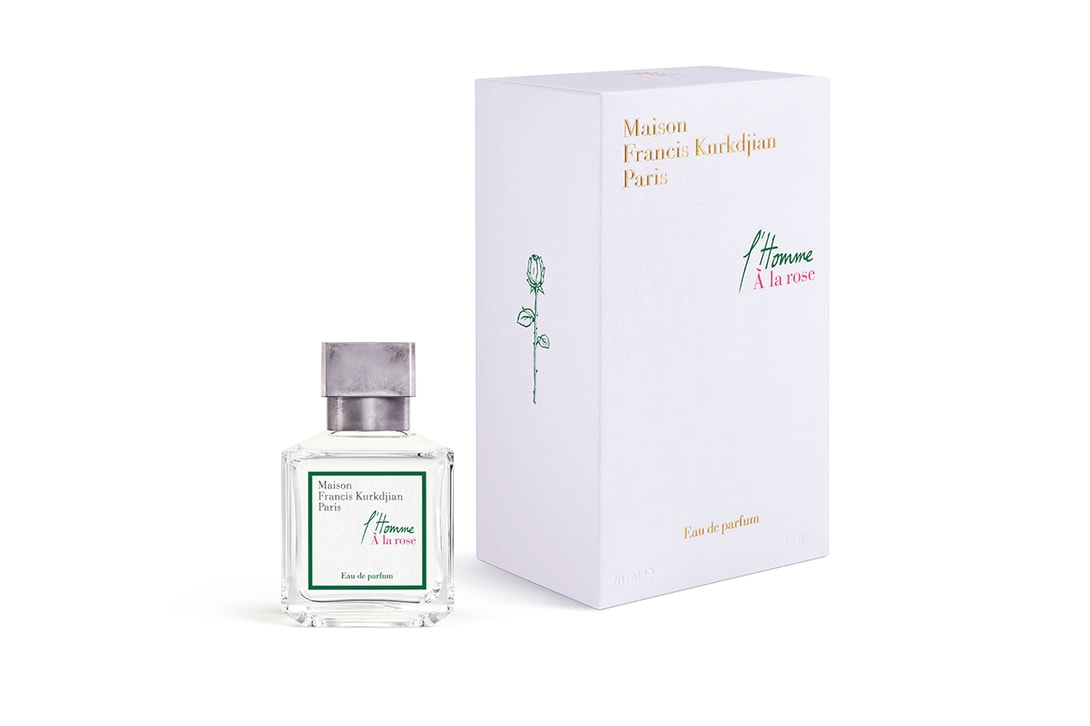
Maison Francis Kurkdjian
It’s not as though men’s scents never used rose before, he adds, but the note is often obscured by heavier scents like oud or leather. But L’Homme À la rose, in both its composition and its name, doesn’t try to hide its rosy core. “It is all in the name,” he says. “This is the first step in my process, before I start creating the fragrance. The name of the perfume is more than half of the job, it’s very important.”
Would men be willing to try a rose-centric scent if the “L’Homme” name didn’t give them permission? Perhaps, but only time will tell how perceptions of fragrance change overtime. Gottlieb cites a lecture she attended from a former head buyer of fragrance for Macy’s, back when in-person events were still the norm, on how the industry may evolve. “In 10 years, she envisions that there would be one big fragrance counter that would appeal to everybody,” Gottlieb says. “And certainly had COVID not happened, and looking at the way fragrance is going, that seemed like it could have been a reality.”
But wherever our gendered perceptions of smell go, part of the fun of fragrances is the ease with which they allow for gender-bending. Herman shares that macho icons Marlon Brando and Keith Richards both allegedly wore scents designed for women: Balmain’s Vent Vert and Jean Patou’s Joy, respectively. And we must say there’s something delightful about picturing Brando bathing in ultra-feminine jasmine and rose, rather like imagining what a sailor in a skin-tight striped shirt might smell like.
Mandatory “Please Engage” Closing
Comment your thoughts and smells. And if you use the opposite gender’s products. I know plenty of women shaving with Quad blades, so no judgement here.
Next week, we cover whether you can get rid of a fart smell by sniffing really deeply til you get all the smell particles.
PS craic is a meaningless Irish term for ‘fun’, like “What’s the craic?” instead of “What’s up?” I had to google that one too.